How to Fix a Dishwasher Not Cleaning
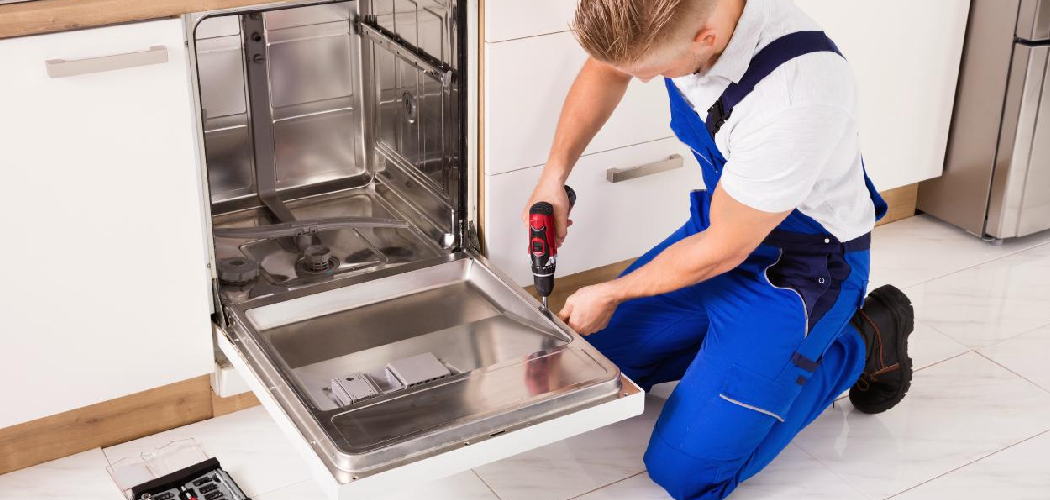
A dishwasher that stops cleaning properly is usually caused by a clogged filter, blocked spray arms, hard water buildup, or …

A dishwasher that stops cleaning properly is usually caused by a clogged filter, blocked spray arms, hard water buildup, or …
Pulling a cozy blanket out of the dryer only to find it still coated in fur is one of the …
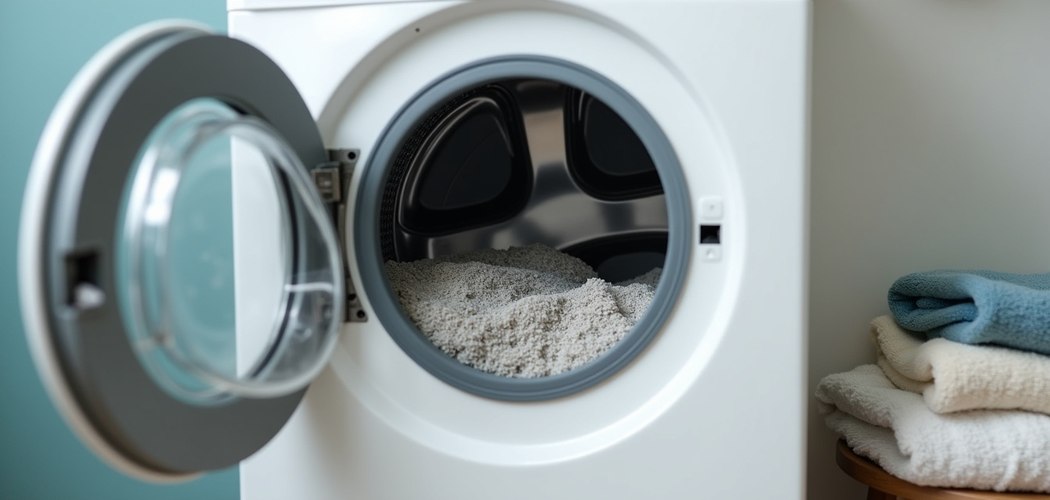
You wash a load, wait for the cycle to finish, and pull out what should be clean laundry. Instead, your dark jeans look dusted in gray fuzz. Annoying, right? That fuzz is lint, and it tends to appear at the worst moments—usually on the one outfit you actually wanted to wear.
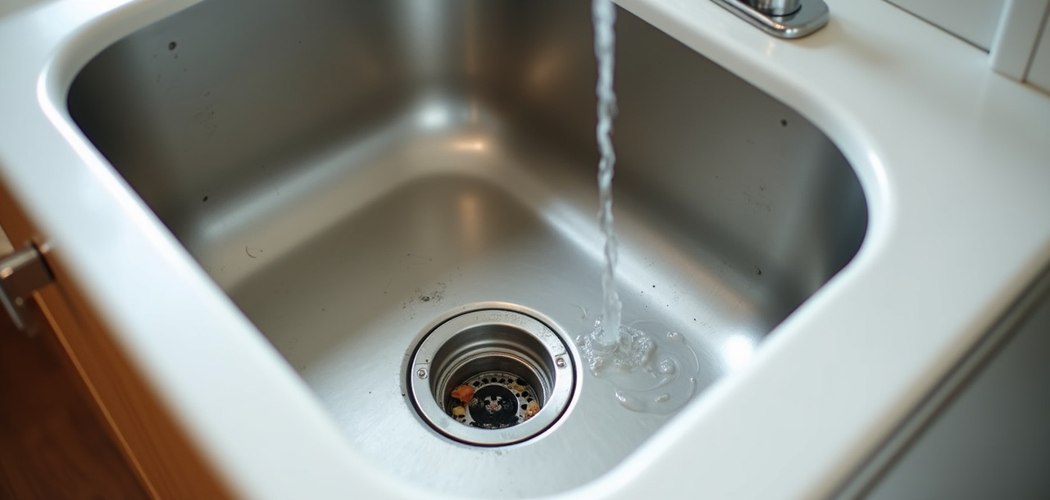
A clogged garbage disposal has a way of choosing the worst moments to act up. You’re halfway through rinsing dishes when the water stops draining, and suddenly the sink fills with a cloudy pool that just sits there, mocking you. It’s messy. It smells. And it never happens when you have time to deal with it. Here’s the part most people don’t expect, though: you almost certainly don’t need a plumber to sort it out.
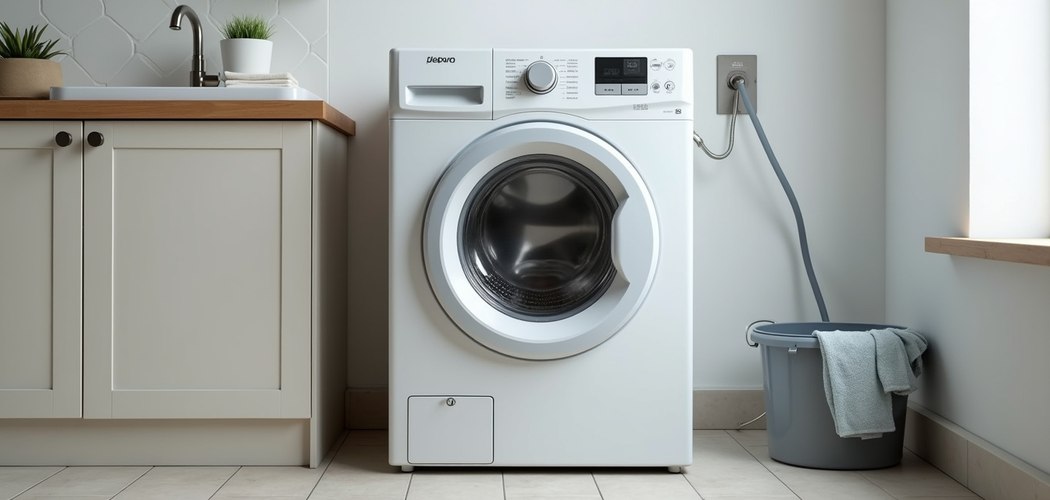
You start a load, walk off to do something else, and come back to water spreading across the floor. Or maybe the sound gives it away first, that low gurgle as the drum strains to empty and something in the pipe pushes back.
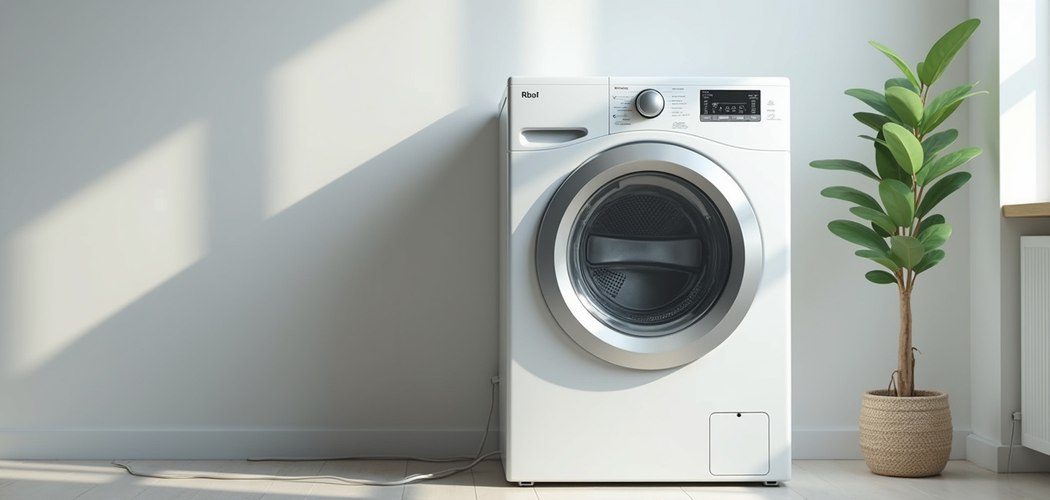
At some point, most homeowners face the task of disconnecting their dryer. Maybe you’re moving to a new house, replacing an old machine, or you just need to clean behind and underneath it. Whatever the reason, knowing how to safely unhook a dryer is a handy skill that can save you time and money.
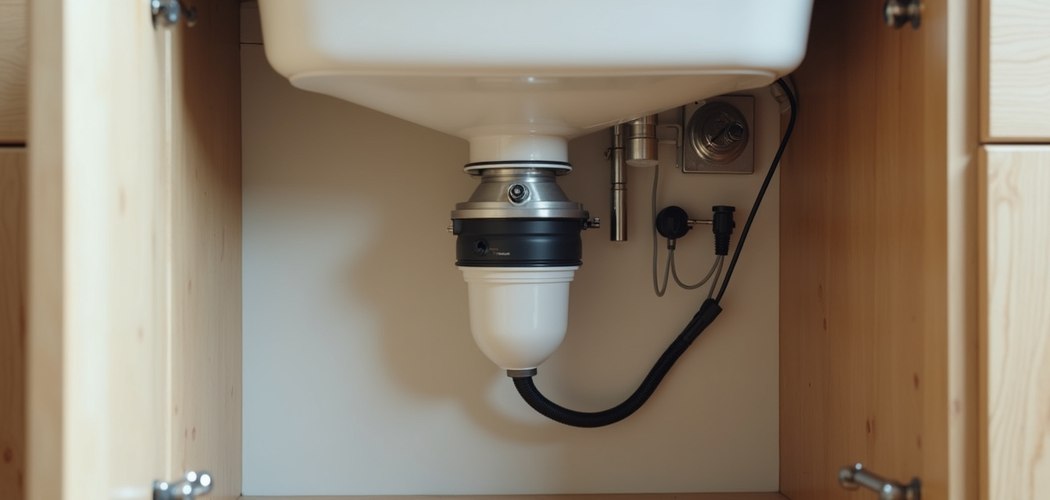
Few kitchen problems feel as frustrating as flipping the switch on your garbage disposal and hearing nothing but a low hum, or worse, complete silence. One minute you’re rinsing dinner scraps down the drain, and the next you’re staring at a sink full of water that refuses to go anywhere. A stuck garbage disposal is one of the most common plumbing headaches homeowners face, and the good news is that it’s also one of the easiest to fix on your own.
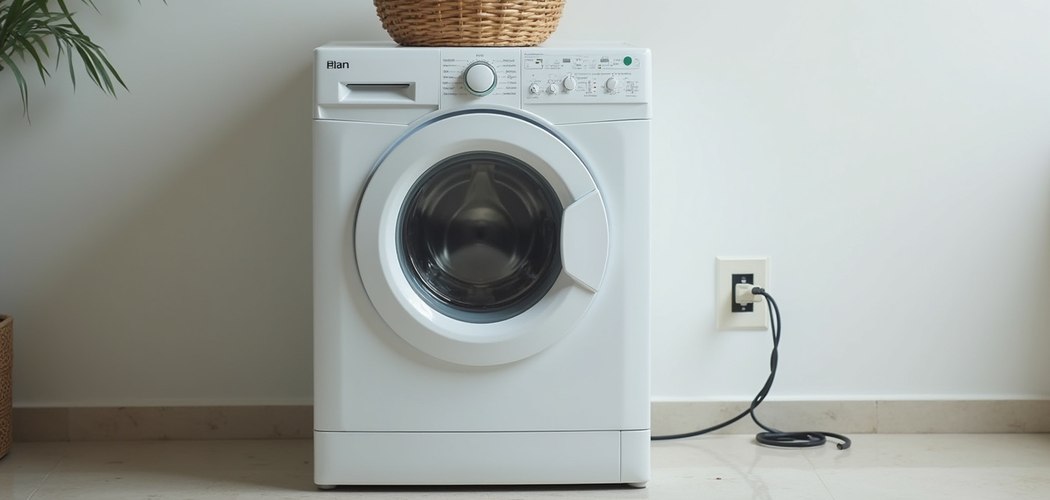
To unlock a washing machine, turn off the power and wait one to two minutes for the safety mechanism to reset. If the door stays locked, check for trapped water, run a drain cycle, or use the manual release lever near the drain filter. Most doors open once the drum stops and internal pressure clears.
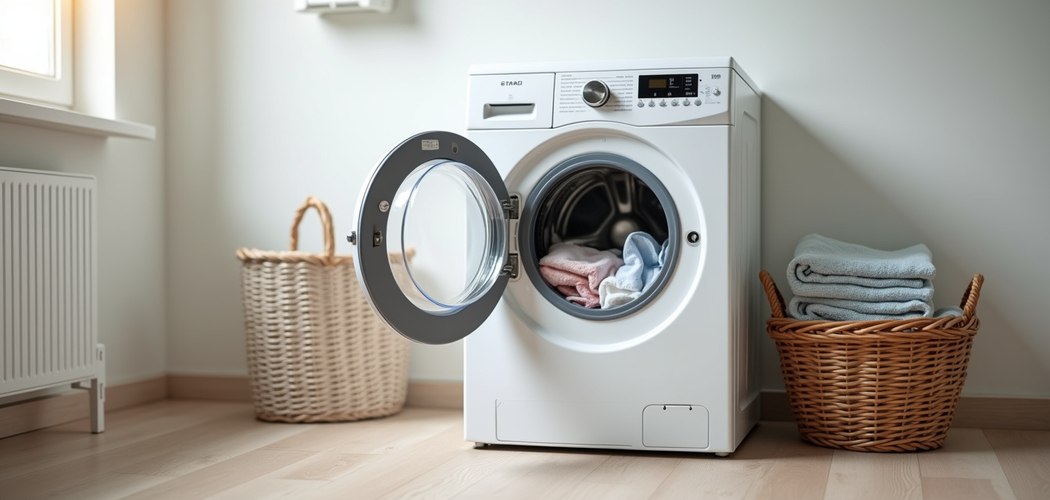
Doing laundry might feel like a chore, but a washing machine makes it one of the easiest tasks in your home. Whether you just moved into your first apartment, upgraded to a new model, or simply never learned the ropes, understanding how to use a washer sets you up for cleaner clothes and less stress.
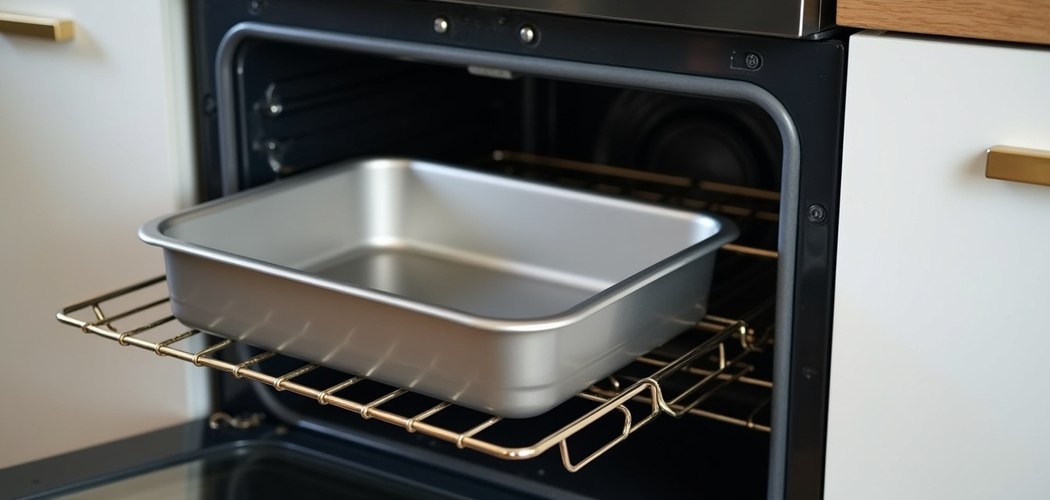
We’ve all been there. You toss a favorite mug or a shiny new pan into the dishwasher, hit start, and walk away feeling productive. Then the cycle ends, and you find a warped lid, a cloudy glass, or a wooden spoon that looks like it aged ten years overnight. That sinking feeling is completely avoidable once you learn how to tell whether an item can handle the heat, water pressure, and detergent inside your machine.