

To unlock a washing machine, turn off the power and wait one to two minutes for the safety mechanism to reset. If the door stays locked, check for trapped water, run a drain cycle, or use the manual release lever near the drain filter. Most doors open once the drum stops and internal pressure clears.
You’ve got a full load of soaking laundry sitting behind a door that simply won’t open. You press the button. You tug the handle. Maybe you give the whole machine a hopeful shake. Nothing.
A jammed washing machine door ranks among the most common appliance headaches out there, and the surprising part is how rarely it needs anything serious to fix.
Here’s the reassuring bit. You almost never need a technician or a pricey repair to sort this out.
A little patience and the right sequence of steps on how to unlock a washing machine will usually get the door open within a few minutes.
What follows is a look at why the lock sticks in the first place, how to release it without causing damage, and a few habits that keep it from happening again.
Why Is My Washing Machine Locked?
Modern washers lock their doors on purpose.
That click you hear at the start of a cycle is a safety feature, one that stops the door from swinging open while water sloshes around or the drum spins at speed.
When things run as designed, the lock releases on its own the moment the cycle ends and the drum settles.
Trouble starts when that automatic release doesn’t fire. Water left sitting in the drum can hold the lock shut.
So can a sudden power cut mid-cycle, which leaves the control board confused about where it stopped. And over the years, the locking mechanism itself may wear down and stop responding cleanly.
Pinning down the likely cause matters, because it steers you toward the fix that actually works rather than a random guess.
Before you start heaving on the handle, it’s worth pausing to work out what your machine is really doing.
Before Trying to Unlock the Washer
Give the machine a proper look before you touch anything. Is a cycle still ticking away? Is there water pooling at the bottom of the drum? Any error codes blinking on the display?
Those small signals tend to point straight at the problem, and reading them first can save you from a “fix” that makes everything worse.
Safety sits above all of this. Don’t wrestle the door open while the drum is turning or while you can see water inside. Dry your hands first.
Steer children and pets well clear of the machine while you work. Keep a towel or a shallow tray within reach in case you end up draining water by hand.
A calm approach protects you, and it protects the appliance too.
7 Simple Steps on How to Unlock a Washing Machine
Step 1: Turn Off and Unplug the Machine
Switch the washer off and pull the plug from the wall. Cutting the power resets the electronics, and that alone can drop the lock. Wait a full minute or two before you do anything else.
That pause lets the control board clear its short-term memory and gives the pressure sensors a chance to settle down. A good number of “stuck” doors simply ease open after this quiet little reset.
Step 2: Wait for the Cycle to Fully Finish
If a cycle is still mid-flow, the door stays locked, and that’s the machine doing its job. Let it finish the wash, the rinse, and the spin.
Some models hold the lock for another minute or so after the drum stops, so there’s no need to panic when it doesn’t open the instant the display goes quiet. Listen for a click.
That sound usually means the lock has let go.
Step 3: Check for Trapped Water
A washer won’t release its door if water is still sitting in the drum. Peer through the glass and see whether any remains. If it does, the machine is holding firm to spare you a soggy floor. You’ll need to clear that water before the door cooperates, which leads neatly into the next step.

Step 4: Run a Drain or Spin Cycle
Plug the machine back in and select a short drain or spin-only setting. This pumps out whatever water is left, and an empty drum often prompts the lock to release.
If your model has a dedicated “drain” option, reach for that. It’s remarkable how many locked-door situations trace back to a wash that got interrupted halfway, and this single step clears a lot of them.
Step 5: Locate the Manual Release Lever
Nearly every front-loader hides a manual release behind the small access panel at the bottom front, the same one that covers the drain filter.
Open it up and hunt for a little tab, a string, or a lever. Pull it gently toward you. Manufacturers put this override there for precisely this moment.
If you can’t find it, your user manual should show exactly where it sits, since the spot shifts from brand to brand.
Step 6: Drain the Water Manually
Still holding water? Then you may need to empty it by hand.
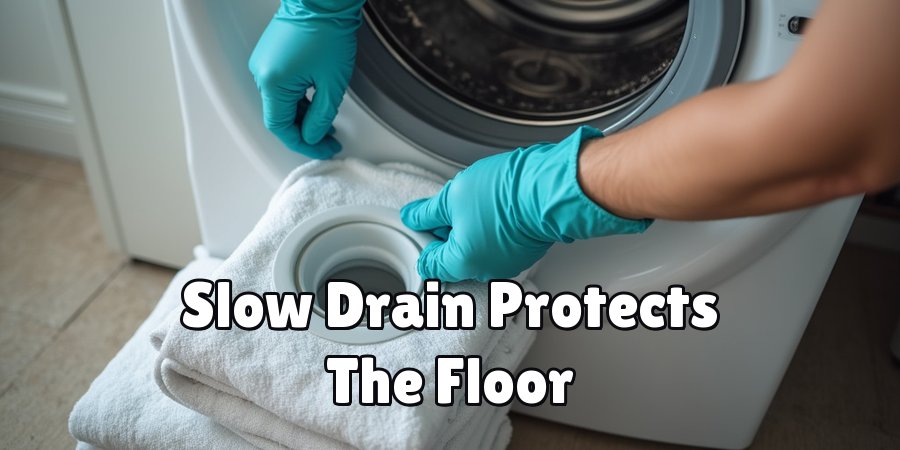
Set a shallow tray and a few towels beneath the drain filter, then unscrew the filter cap slowly and let the water trickle out. Take your time with this.
Rush it, and you’ll get a wave across the kitchen floor. Once the drum is empty, the internal pressure drops away,y and the lock becomes far more willing to release.
Step 7: Perform a Full Power Reset
When nothing else has worked, unplug the machine and walk away for at least 15 minutes. This longer break clears deeper electronic faults that a quick unplug can’t reach.
Plug it back in and the control board should boot up fresh.
If the door still refuses to budge after all that, the lock mechanism or the control board may be at fault, and that’s a job for a professional.
Work through these steps on how to unlock a washing machine in order. Most of the time, the door will pop long before you reach the end of the list.
Common Mistakes to Avoid
The single worst thing people do is force the door.
Yanking the handle or prying with a screwdriver can crack the door, snap the lock, or bend the hinge, and suddenly a free fix becomes a repair bill. Patience beats brute force almost every time.
When a step doesn’t work straight away, wait a beat before you move on to the next one.
Ignoring the error codes is another easy trap, and so is tossing the manual in a drawer unread. Those flashing numbers are the machine telling you, in its own way, what’s gone wrong.
The manual usually spells out how to release the door safely too. Draining water too fast carries its own risk, as anyone who has mopped a kitchen at midnight can confirm.
Slow and steady really does win here.
How to Prevent a Washing Machine From Getting Stuck Locked?
Routine upkeep is your strongest defense. Clean the drain filter every few weeks so debris doesn’t clog the pump, since a blocked pump is a leading reason water gets trapped and doors seize up.
Wipe the door seal clean and leave it dry between washes. Try not to cram the drum full, because an overloaded machine strains the mechanism and interrupts cycles.
Detergent matters more than you might think. Too much of it foams up and confuses the sensors, which can stall a cycle partway.
Running a hot maintenance wash once a month keeps the insides fresh, and dealing with error codes the moment they appear beats letting them pile up.
Small habits like these tend to pay off in doors that keep opening smoothly, month after month.
When to Call a Professional?
Worked through all seven steps and the door still won’t give? That’s your cue to bring in someone who knows the machine’s insides.
A lock that clicks but never releases, a door that ignores a full reset, or error codes that keep returning all suggest a fault beyond a kitchen-table fix.
Keep forcing it, and you may turn a modest repair into a costly one.
Certain warning signs call for a technician right away, no experimenting first. Burning smells, sparks, or water seeping from the base of the machine point to electrical or plumbing faults that need trained hands.
And if your washer is still under warranty, get in touch with the manufacturer before you open anything up, because a DIY attempt could void the coverage you paid for.
Frequently Asked Questions
Q1: Why Won’t My Washing Machine Door Open After The Cycle Ends?
A1: The door commonly stays locked for one to two minutes after a cycle wraps up, which is just a safety delay.
If it’s still stuck past that point, the likely culprits are water left in the drum or a hiccup in the control board.
Switch the machine off, wait a couple of minutes, then unplug it for a full reset.
Q2: Can I Unlock My Washing Machine Without Power?
A2: Yes. Most front-loading washers carry a manual release lever behind the lower access panel, close to the drain filter. Gently pulling that tab or string releases the door mechanically, with no electricity involved, which makes it a handy option during a power outage or an electronic fault.
Q3: Is It Safe To Force Open A Locked Washing Machine Door?
A3: No, forcing the door is never a good idea.
Pulling hard or reaching for tools can crack the door, break the lock, or damage the hinge, and any of those may lead to an expensive repair.
Reach for the manual release lever first, and try a power reset, before you even think about physical force.
Conclusion
A locked washing machine door feels like a small disaster in the moment, yet it tends to be one of the easier appliance puzzles to solve.
Nine times out of ten, a simple power reset, a drain cycle, or a tug on the manual release lever will have that door open within minutes. No tools. No technician.
Tuck this guide away for the next time your washer digs its heels in, and keep in mind that prevention beats any fix. Clean the filter, ease up on the loads, and act on error codes while they’re still small.
If the door won’t move after every step here, calling a professional is the sensible next move. Looking after the machine will always cost less than replacing it. Thanks for reading this guide on how to unlock a washing machine.

The Appliance Why team — a small group who would rather take the back panel off than pay a call-out fee. We write the repair guides we wish we had found ourselves, test the fixes on our own machines, and say plainly when something is not worth repairing.