

To clean the drain pump filter on an Electrolux front loader, unplug the machine, open the small access panel at the bottom front, place a towel and shallow tray underneath, drain the water through the hose, then unscrew and rinse the filter. Reinsert it, close the panel, and run a quick rinse cycle. The whole job takes about 20 minutes.
Your Electrolux front loader does a lot of quiet work. Load after load, it spins through muddy jeans, gym socks, and bath towels without complaint. But there’s a catch. All that laundry sheds debris, and much of it ends up in one small part tucked away at the bottom of the machine: the drain pump filter. Let it fill up, and you may notice slow draining, sopping-wet clothes, or a blinking error code that seems to come out of nowhere.
Here’s the reassuring part. You almost certainly don’t need to call anyone. Cleaning the filter is the kind of job most people can finish before their coffee goes cold, using bits and pieces already lying around the house.
This guide on how to clean drain pump filter electrolux front loader walks through what the filter actually does and why it matters. You’ll get the full list of tools, seven clear steps, and a rundown of the problems that sometimes crop up afterward. We’ll also touch on when a professional is worth the money and roughly what that might set you back. By the end, your washer should be draining the way it did the day you bought it.
What Is the Drain Pump Filter?
The drain pump filter sits at the bottom front of your Electrolux front loader, behind a small panel most people never think to open. Its role is straightforward: it catches debris before that debris reaches the drain pump. Coins, buttons, lint, hair, the odd fabric scrap. Without the filter standing guard, those items would work their way into the pump and jam it, which tends to be an expensive kind of problem.
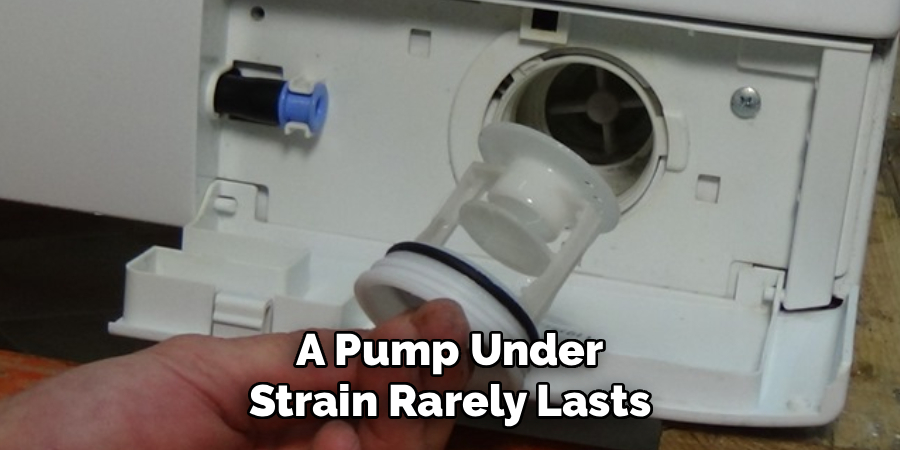
Because it’s constantly trapping this stuff, the filter fills up faster than you might expect. Electrolux suggests cleaning it every few months, though heavier use may call for a shorter interval. A blocked filter forces the pump to strain against the blockage, and a pump under strain rarely lasts as long as one that isn’t. So a five-minute rinse now could spare you a repair bill later.
What You’ll Need
To clean the filter on your front-loading washing machine, you will need:
- A pair of rubber gloves
- A large bowl or bucket
- White vinegar or mild detergent
- A soft-bristled brush or toothbrush
Safety Precautions Before Cleaning
Start with the power. Unplug your Electrolux front loader before you touch anything else. Water and electricity make a genuinely dangerous pair, and pulling the plug removes the risk of a shock entirely.
Then check the drum. It should be empty, and the machine should have finished its cycle. Water left inside can still be hot right after a wash, so give it time to cool if you’ve just run a load. Keep a towel within arm’s reach, because some spillage is almost guaranteed once you open the filter. Above all, go slowly. Rushing is how panels crack and filter housings get chipped.
7 Simple Steps on How to Clean Drain Pump Filter Electrolux Front Loader
Step 1: Unplug the Washing Machine
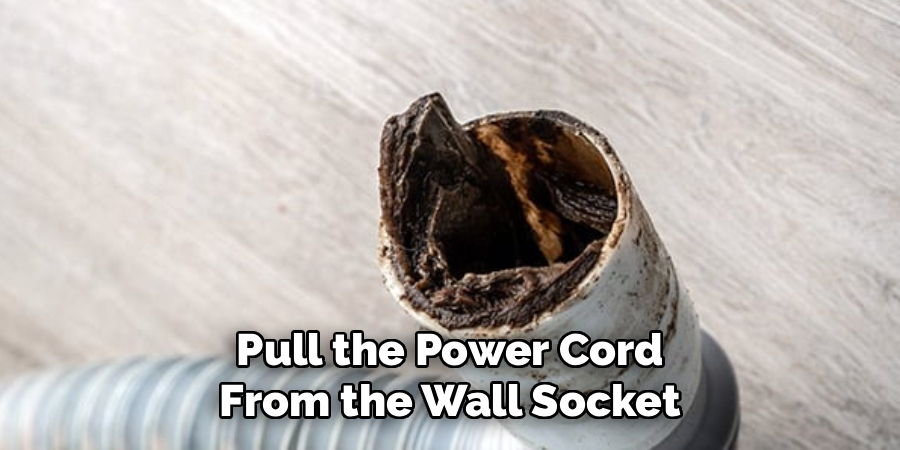
Pull the power cord from the wall socket. This is the single most important safety step, so don’t skip it. If your machine is hardwired or wedged somewhere you can’t reach the plug, switch off the circuit breaker instead. Working on the filter with the washer still powered is simply not worth the risk.
Step 2: Locate and Open the Access Panel
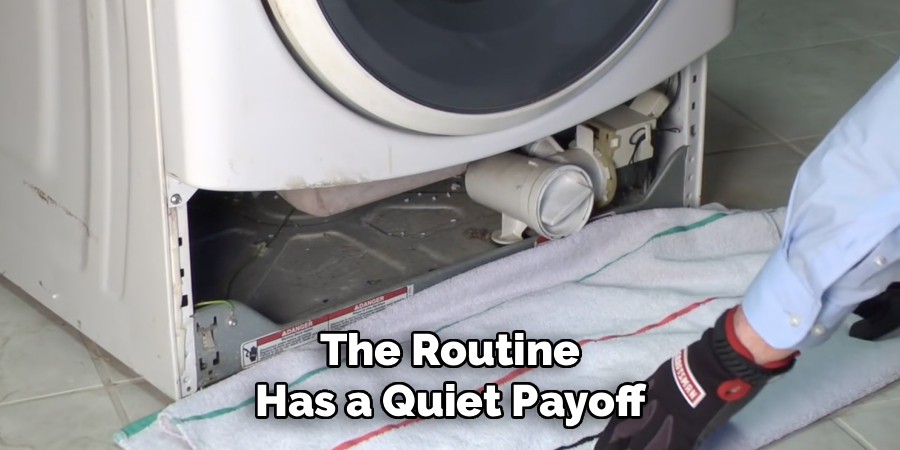
Look low, at the bottom front of the machine. You’re after a small rectangular panel, sometimes called a kickplate. Press or pop it open with your fingers. If it won’t budge, slip a flat-head screwdriver into the edge and ease it open, gently. Behind that panel, you’ll find the drain hose and the filter cap waiting for you.
Step 3: Prepare for Water Spillage
Spread your towels flat on the floor under the filter area. Slide the shallow container or baking tray directly beneath the drain hose. Even a filter that seems “dry” usually holds a cup or two of water, so this step earns its place. It’s tempting to skip, but skipping it tends to mean mopping later.
Step 4: Drain the Water
Most Electrolux models keep a small drain hose tucked right next to the filter. Pull it free, remove the end cap, and let the water run into your container. Once the tray fills, plug the hose again, empty the tray, and repeat until the flow stops. Draining first means you avoid the small flood that comes from yanking out a full filter.
Step 5: Remove and Clean the Filter
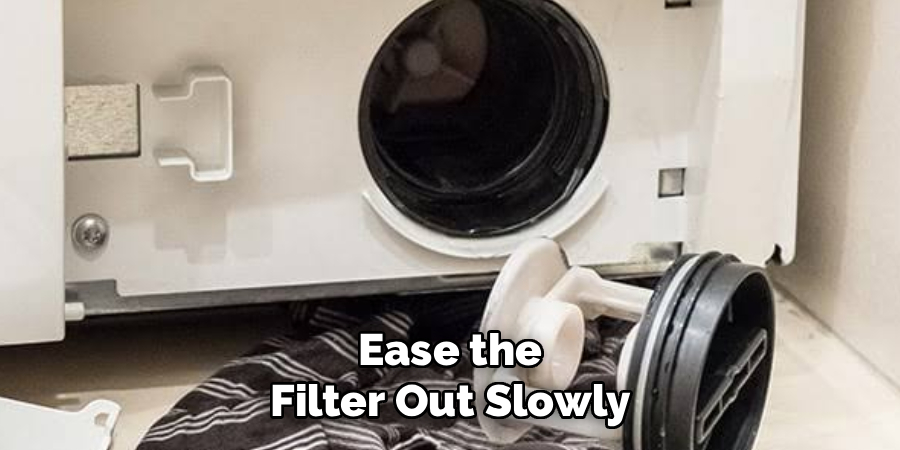
With the water out, twist the filter cap counterclockwise and unscrew it. Ease the filter out slowly. What you find can be a little grim: lint, hair, coins, sometimes a stray screw. Rinse it under warm running water and work a soft brush or toothbrush into the crevices to shift anything stubborn. Don’t forget the housing itself. Wipe it out with a cloth so you’re not sealing gunk back inside.
Step 6: Reinsert the Filter
Once the filter is clean, slide it back into the housing and turn the cap clockwise until it feels snug. Stop there. Overtightening is a common mistake, and it can crack the plastic threads, which rather defeats the purpose. A firm-but-gentle seal is what keeps leaks away next wash.
Step 7: Close the Panel and Test
Snap the access panel back into place. Plug the washer in again, or flip the breaker back on. Run a short rinse or quick cycle and keep an eye on the filter area for a few minutes. Dry after several minutes? You’re finished.
These steps on how to clean drain pump filter electrolux front loader run in order for a reason. Each one sets up the next, so resist the urge to jump ahead. Take your time, and you’ll have a clean filter before you know it.
Common Problems After Cleaning
Occasionally something goes sideways even after a careful clean. The complaint I hear most often is leaking around the filter cap. Usually the cap simply wasn’t tightened enough, though a worn rubber seal can be the culprit too. Take the cap off, look the seal over for cracks, and reseat it firmly.
Slow draining that persists is the other frequent issue. If the water still creeps out sluggishly, the blockage may sit deeper, either in the drain hose or the pump itself, beyond the reach of a filter clean. Running an empty hot-water cycle can help flush the system. And if you catch an odd rattle or grinding sound, something may still be lodged in the pump. A noise that won’t quit usually deserves a closer look.
When to Call a Professional?
Most filter cleanings are quick and forgettable. Some problems, though, are better left to someone with the right training. If your washer keeps leaking, refuses to drain even after a clean, or throws the same error code again and again, the trouble may lie in the pump motor or the electronic control board rather than the filter.
There are also warning signs you should never ignore. A burning smell, visible sparks, or a machine that trips your breaker all point to electrical faults, and those aren’t safe to tackle on your own. A qualified appliance repair specialist can pin down the cause and fix it without doing further harm to your Electrolux front loader.
How Much Will It Cost?
Cleaning the filter yourself costs nothing but a slice of your afternoon. You’re using things you already own, which makes it about as budget-friendly as home maintenance gets. And the routine has a quiet payoff: it heads off the bigger breakdowns before they start.
If you do end up needing a professional, plan for a service call. Appliance repair visits in the United States generally run somewhere between $100 and $250, depending on the fault and where you live. A failed drain pump adds the cost of the part on top of the labor. Which is really the argument for regular cleaning in a nutshell: a few minutes now may spare you a few hundred dollars down the track.
Frequently Asked Questions
Q1: How Often Should I Clean the Drain Pump Filter?
A1: Clean the drain pump filter on your Electrolux front loader every three to four months under normal use. Wash pet bedding, heavily soiled work clothes, or large loads regularly? Clean it more often. Slow draining or a sudden error code are both signs it may need attention sooner.
Q2: Can a Clogged Filter Damage My Washing Machine?
A2: Yes, it can. A clogged drain pump filter forces the pump to work harder, which may overheat the motor and cut its lifespan short. It also drains poorly, so clothes come out wet, and the drum starts to smell. Regular cleaning protects the pump and keeps the washer running well for years.
Q3: Why Is Water Leaking After I Cleaned the Filter?
A3: A leak after cleaning usually points to a cap that isn’t tight enough or a rubber seal that’s damaged. Unscrew the cap, check the seal for cracks or trapped debris, then reseat it firmly by hand. Don’t overtighten, though. Too much force can crack the plastic and make the leak worse.
Keep Your Electrolux Running Smoothly
Cleaning the drain pump filter is one of the simplest ways to add years to your Electrolux front loader. A towel, a container, and about twenty minutes are all it takes to fend off drainage trouble, musty odors, and repair bills you’d rather not see. Small habit, real reward, every single wash.
Try to fold it into your regular home maintenance, once every few months or so. And if you ever run into something a basic clean won’t fix, there’s no shame in calling a professional. Your washer puts in the hours for you week after week, so a little care in return keeps the laundry fresh and the machine humming for a long time yet. Thanks for reading this guide on how to clean drain pump filter electrolux front loader.

About
Ethan Wrenford is a dedicated home appliance specialist with years of hands-on experience in appliance troubleshooting, maintenance, repair, and DIY diagnostics. His professional focus lies in combining practical repair knowledge with simple, easy-to-follow solutions, helping homeowners understand common appliance problems and confidently identify potential causes at home. As an author at ApplianceWhy, Ethan shares practical knowledge on home appliance repair, DIY appliance diagnostics, maintenance, troubleshooting, appliance care, and everyday solutions for common household appliance issues.
Education
Portland Community College (Portland, USA)
Associate Degree in Appliance Technology & Residential Systems
- Focused on residential appliance systems, electrical fundamentals, mechanical components, and appliance troubleshooting.
- Developed practical skills in appliance diagnostics, component testing, electrical safety, and repair procedures.
- Gained hands-on experience working with refrigerators, washing machines, dryers, dishwashers, ovens, ranges, and other household appliances.
Oregon Institute of Technology (Klamath Falls, USA)
Bachelor’s in Applied Electronics & Technology
- Specialized in electrical systems, electronic controls, sensors, motors, and residential equipment.
- Studied diagnostic techniques for identifying electrical, mechanical, and component-related appliance problems.
- Completed practical projects involving appliance control systems, troubleshooting methods, preventive maintenance, and repair fundamentals.
Publications and Impact
Through ApplianceWhy, Ethan shares practical insights into home appliance repair, DIY diagnostics, maintenance, troubleshooting, and appliance care. His writing focuses on turning confusing appliance problems into simple, understandable steps that homeowners can follow safely.
Ethan covers everything from diagnosing a refrigerator that is not cooling and a washing machine that will not drain to troubleshooting dryers, dishwashers, ovens, microwaves, and other common household appliances. His content helps readers understand appliance symptoms, identify possible causes, perform basic diagnostic checks, and determine when professional repair may be necessary.
Through his work, Ethan aims to bridge the gap between professional appliance repair knowledge and everyday homeowners—making appliance troubleshooting more approachable, practical, and accessible to everyone who wants to diagnose smarter, maintain better, and keep their appliances running longer.