

Turning off your oven sounds like the simplest thing in the world. You cook your meal, you flip a switch, and you walk away.
But here’s the truth: a surprising number of kitchen accidents and house fires happen because ovens weren’t turned off correctly.
A knob left slightly on, a gas line still open, or a self-cleaning cycle that never got stopped can all lead to trouble.
Whether you use a gas oven, an electric oven, or a modern smart appliance, knowing how to shut it down properly protects your home, your family, and your wallet.
This guide on how to turn oven off walks you through everything you need to know. By the end, you’ll feel confident every time you power down your oven. Let’s get into it.
What Are the Benefits?
You might wonder why a whole guide exists for something so basic. The answer is simple: doing it right brings real rewards. Here are the main benefits of turning off your oven the correct way.
- Improved safety. This is the biggest reason. A properly shut-off oven means no lingering heat sources, no gas leaks, and no accidental burns. If you have kids or pets, this matters even more. A hot oven left on is an invisible danger in any busy kitchen.
- Lower energy bills. Ovens use a lot of power. Leaving one running, even at a low temperature, wastes electricity or gas. Turning it off promptly keeps your utility costs in check. Over a year, those small savings add up.
- Longer appliance life. Constant heat wears down oven components. Heating elements, seals, and electronics all last longer when the oven only runs when needed. Shutting it off properly reduces unnecessary strain.
- Peace of mind. When you know your oven is off, you can leave the house without worry. No more driving back home to double-check. That mental relief is worth a lot.
- Fire prevention. House fires that start in the kitchen are common, and ovens are often involved. A clean shutdown removes one major risk from your home.
- Better cooking habits. Learning to manage your oven properly makes you a more mindful cook overall. You start paying attention to timing, temperature, and safety in ways that improve your food too.
What Will You Need?
The good news is that turning off an oven requires very little. Still, being prepared makes the process smoother and safer. Here’s what to have ready.
That’s it. No tools, no special equipment. Just attention and a little know-how.
- Oven mitts or heat-resistant gloves. Ovens stay hot long after they’re switched off. Protect your hands.
- Knowledge of your oven type. Know whether you have a gas, electric, or smart oven. Each shuts off a little differently.
- Your owner’s manual. If your oven has special features, the manual explains them. Keep it handy or bookmark a digital copy.
- A clear view of the controls. Make sure the knobs, buttons, or touchscreen are clean and readable.
- Awareness of your gas shutoff valve. For gas ovens, know where the main valve is located in case of emergencies.
- A calm, unhurried moment. Rushing leads to mistakes. Give yourself a few seconds to do this right.
10 Easy Steps on How to Turn Oven Off
Follow these steps in order. They apply to most ovens, and we’ll note the differences between gas, electric, and smart models along the way.
Step 1: Finish Your Cooking Task
Before you touch any controls, make sure your food is done. Remove your dish or leave it to rest as your recipe requires.
Turning the oven off while a meal still needs cooking only leads to frustration and a cold dinner. Take a moment to check that everything is ready.
Once your food is out or resting safely, you can move on to the shutdown process with a clear mind.
Step 2: Put On Your Oven Mitts
Safety first. Slip on your oven mitts or heat-resistant gloves before you reach anywhere near the oven. Even the control knobs and door handle can get warm during long cooking sessions.
This small step prevents accidental burns and gives you a firm, confident grip. Never underestimate how hot an oven surface can be, even the parts that seem safe to touch.
Step 3: Locate the Main Control
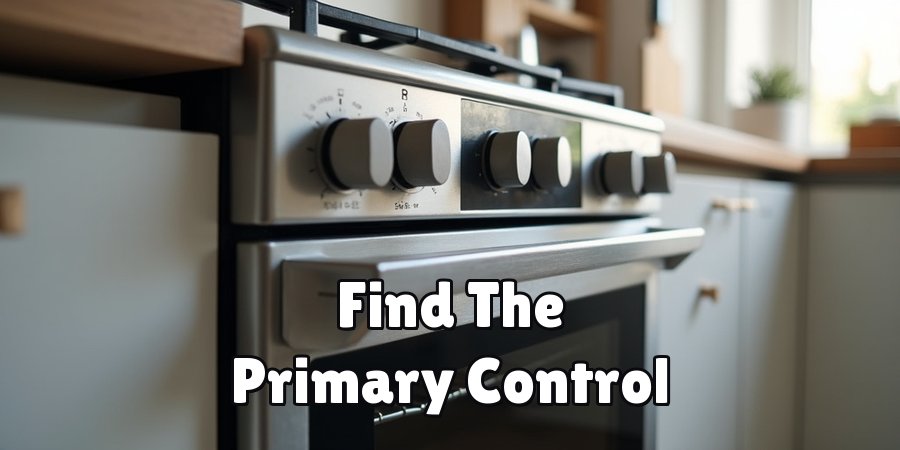
Find your oven’s primary control. On a traditional oven, this is usually a knob or dial marked with temperature settings and an “off” position.
On an electric range, it might be a dedicated oven knob separate from the stovetop controls. On a smart or digital oven, look for the touchscreen or the “Bake,” “Off,” or “Cancel” button.
Knowing exactly which control turns off the oven, not just the stovetop, is key.
Step 4: Turn the Dial or Press the Off Button
Now, actually turn it off. For a knob-based oven, rotate the dial firmly to the “off” position. You should feel or hear a small click.
For a digital oven, press the “Off” or “Cancel” button until the display confirms the change. Don’t just tap it once and walk away.
Watch for a signal that the command worked, such as the display going dark or a beep.
Step 5: Confirm the Heating Elements Are Off
For electric ovens, glance inside to confirm the heating elements are no longer glowing red or orange. They should begin to fade almost immediately.
For gas ovens, listen and check that the flame at the burner has gone out completely. A visible flame or glowing element means the oven is still on.
Never assume; always verify with your own eyes.
Step 6: Check the Digital Display or Indicator Light
Most modern ovens have an indicator light or a display that shows whether the oven is running. After you turn it off, look for this signal to change.
The light should switch off, or the screen should return to a clock or standby mode. If the display still shows a temperature or an active cooking mode, the oven has not fully shut down.
Repeat the previous steps if needed.
Step 7: Turn Off the Self-Cleaning Cycle if Active
Self-cleaning cycles run extremely hot and can last for hours. If your oven is in a cleaning cycle, you can’t always stop it instantly, since the door often locks for safety.
Press the “Cancel” or “Clear/Off” button and wait for the oven to signal that the cycle has ended. Do not try to force the door open. Give it time to cool and unlock naturally.
Step 8: Shut Off the Gas Supply if Needed
This step applies only to gas ovens, and mostly in special situations. For everyday use, turning the knob to “off” is enough.
But if you smell gas, are leaving for a long trip, or need to do maintenance, locate the gas shutoff valve behind or near the appliance. Turn it to the closed position.
If you ever smell gas and can’t stop it, leave the house and call your gas company or emergency services.
Step 9: Allow the Oven to Cool Safely
After shutdown, the oven stays hot for a while. Keep the door closed if children or pets are around, since the interior and glass can cause serious burns.
If you want to cool it faster and no one is nearby, you can crack the door open slightly. Let the oven return to room temperature before cleaning or storing anything inside it.
Step 10: Do a Final Safety Check
Before you leave the kitchen, take one last look. Confirm the display is off, no lights are on, and you feel no heat radiating from an active source.
For gas users, make sure there’s no lingering smell. This final check takes only a few seconds but gives you complete confidence that your oven is truly off.
Make this habit part of your routine every single time.
5 Things You Should Avoid
Even a simple task has pitfalls. Steer clear of these common mistakes.
1. Assuming the oven is off without checking. Never walk away based on a guess. Always confirm with the display, the indicator light, or by looking at the elements. A quick glance can prevent a disaster.
2. Ignoring a gas smell. If you smell gas after turning off your oven, do not light anything, flip switches, or ignore it. Open windows, leave the area, and contact your gas provider. Gas leaks are serious and need immediate attention.
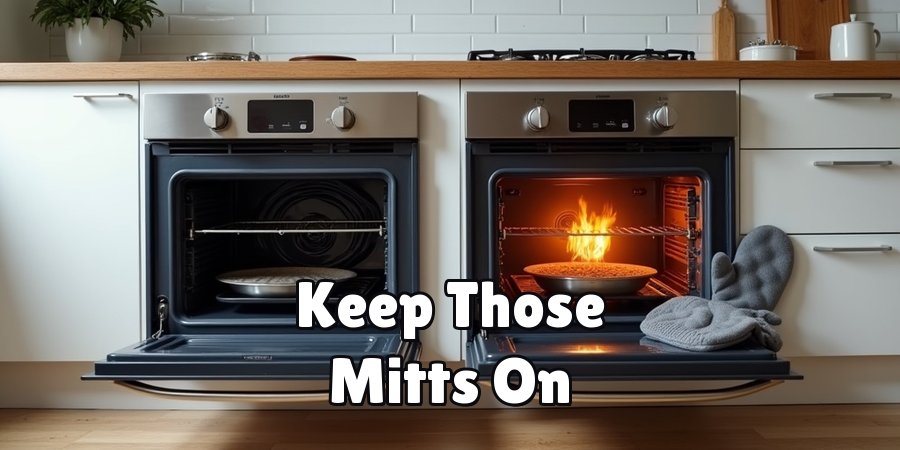
3. Touching hot surfaces with bare hands. Ovens hold heat for a long time. Reaching in or grabbing a knob without protection is an easy way to get burned. Keep those mitts on until you’re sure things have cooled.
4. Forcing open a locked self-cleaning door. During and right after a cleaning cycle, the oven is dangerously hot and the door locks for a reason. Trying to pry it open can cause burns and damage the appliance. Be patient and let it unlock on its own.
5. Leaving children unsupervised near a cooling oven. Just because the oven is off doesn’t mean it’s safe to touch. The glass and metal stay hot. Keep little ones at a safe distance until everything has cooled down completely.
Conclusion
How to turn oven off is one of those everyday actions that deserves more attention than it usually gets.
As you’ve seen, doing it right brings real benefits: better safety, lower bills, a longer-lasting appliance, and genuine peace of mind.
It only takes a few extra seconds, but those seconds can prevent burns, fires, and costly mistakes.
The ten steps in this guide give you a simple, reliable routine. Finish your cooking, protect your hands, find the right control, turn it off, and then confirm the oven is truly shut down.
Pay special attention to gas supplies and self-cleaning cycles, since those need a little extra care. And always do that final check before you walk away.
Now that you know exactly how to turn off your oven the right way, make it a consistent part of your kitchen routine.

About
Ethan Wrenford is a dedicated home appliance specialist with years of hands-on experience in appliance troubleshooting, maintenance, repair, and DIY diagnostics. His professional focus lies in combining practical repair knowledge with simple, easy-to-follow solutions, helping homeowners understand common appliance problems and confidently identify potential causes at home. As an author at ApplianceWhy, Ethan shares practical knowledge on home appliance repair, DIY appliance diagnostics, maintenance, troubleshooting, appliance care, and everyday solutions for common household appliance issues.
Education
Portland Community College (Portland, USA)
Associate Degree in Appliance Technology & Residential Systems
- Focused on residential appliance systems, electrical fundamentals, mechanical components, and appliance troubleshooting.
- Developed practical skills in appliance diagnostics, component testing, electrical safety, and repair procedures.
- Gained hands-on experience working with refrigerators, washing machines, dryers, dishwashers, ovens, ranges, and other household appliances.
Oregon Institute of Technology (Klamath Falls, USA)
Bachelor’s in Applied Electronics & Technology
- Specialized in electrical systems, electronic controls, sensors, motors, and residential equipment.
- Studied diagnostic techniques for identifying electrical, mechanical, and component-related appliance problems.
- Completed practical projects involving appliance control systems, troubleshooting methods, preventive maintenance, and repair fundamentals.
Publications and Impact
Through ApplianceWhy, Ethan shares practical insights into home appliance repair, DIY diagnostics, maintenance, troubleshooting, and appliance care. His writing focuses on turning confusing appliance problems into simple, understandable steps that homeowners can follow safely.
Ethan covers everything from diagnosing a refrigerator that is not cooling and a washing machine that will not drain to troubleshooting dryers, dishwashers, ovens, microwaves, and other common household appliances. His content helps readers understand appliance symptoms, identify possible causes, perform basic diagnostic checks, and determine when professional repair may be necessary.
Through his work, Ethan aims to bridge the gap between professional appliance repair knowledge and everyday homeowners—making appliance troubleshooting more approachable, practical, and accessible to everyone who wants to diagnose smarter, maintain better, and keep their appliances running longer.