

Greasy, grime-covered oven racks are one of the least fun parts of keeping a kitchen clean. Baked-on food, sticky residue, and burnt drips build up over time, and scrubbing them by hand can feel like a workout you never signed up for. The good news is that there may be an easier way. Learning how to clean oven racks in dishwasher cycles can save you time, energy, and a whole lot of elbow grease.
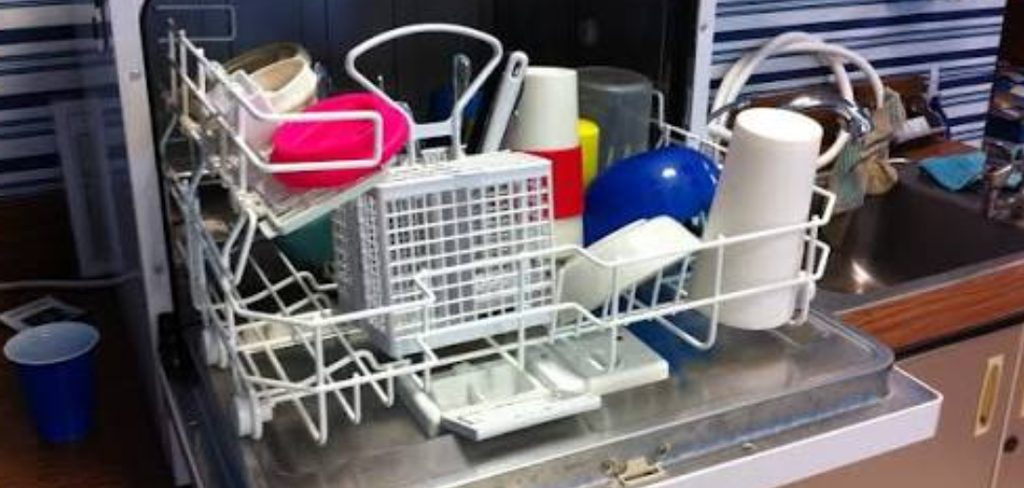
This method appeals to busy home cooks who want results without the mess of soaking racks in the bathtub or scrubbing in the sink. It uses a tool you already own and lets the machine do the heavy lifting for you. Still, it does come with a few important cautions worth knowing before you load anything in. In this guide, we will walk through the process step by step, explain when it works best, and answer common questions so you feel confident tackling this task at any skill level.
Why Cleaning Oven Racks in the Dishwasher Works
Using your dishwasher to tackle oven racks makes sense for a few practical reasons. The machine sprays hot water and detergent from multiple angles, reaching spots that are awkward to scrub by hand. That means less bending, less scrubbing, and fewer harsh chemical fumes in your kitchen. For anyone juggling a packed schedule, this hands-off approach frees you up to focus on other things while the cycle runs.
There is also a comfort factor here. Hand-cleaning racks often leaves stubborn spots behind, which can be frustrating. A dishwasher offers a consistent, repeatable clean that reduces those errors. Just keep in mind that this method suits lightly to moderately soiled racks best. Heavily caked-on grime may still need pre-soaking, and some manufacturers advise against machine washing certain rack types, so a quick check first goes a long way.
Step-by-Step Guide to How to Clean Oven Racks in Dishwasher
Step 1: Check Your Oven and Dishwasher Manuals First
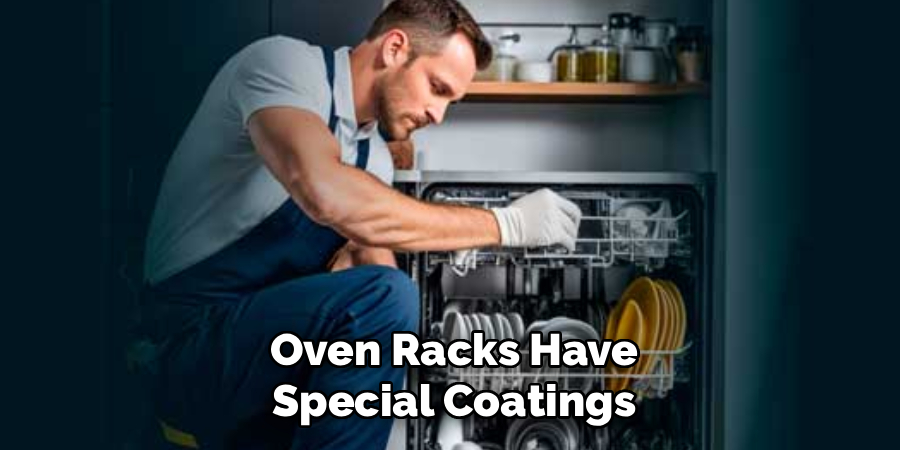
Before anything else, take a moment to read both your oven and dishwasher manuals. Some oven racks have special coatings that can be damaged by high heat and strong detergents. Likewise, certain dishwashers are not designed to handle bulky metal items that may block spray arms or scratch the interior. Checking first protects both appliances and saves you from costly mistakes. If your manual gives the green light, you are ready to move forward with confidence. If it warns against it, a manual soak may be the safer route for your situation.
Step 2: Remove the Racks and Scrape Off Loose Debris
Slide the racks out of your cold oven and carry them to a work surface lined with newspaper or an old towel. Using a plastic scraper or a stiff brush, gently remove any loose crumbs, charred bits, and flaking grease. This pre-cleaning stage matters more than most people realize. Dishwashers rinse away softened grime well, but they struggle with thick, dried-on chunks. By clearing the worst of it now, you give the machine a fair chance to do its job. Take your time here, and do not press so hard that you scratch the metal finish.
Step 3: Loading Them Correctly

Positioning is everything for a good result. Lay the racks flat along the bottom of the dishwasher, or lean them upright against the sides if they are too large to fit otherwise. Make sure they do not block the spray arms, because those arms need to spin freely to reach every dish and surface. Avoid overcrowding the machine, since cramming racks in tightly stops water and detergent from circulating. If your racks are oversized, wash them one or two at a time rather than forcing everything in at once for better coverage.
Step 4: Add the Right Detergent and Rinse Aid
Use your regular dishwasher detergent, whether it comes in powder, gel, or pod form. For greasy racks, a quality detergent with grease-cutting power works best. Adding a rinse aid helps water sheet off the metal, which reduces spotting and streaks once the cycle ends. Avoid using extra household cleaners or abrasive powders that are not meant for dishwashers, as these can leave residue or damage the interior. Stick with products designed for the job. The goal is a clean, even wash that lifts grime without introducing anything that could harm your machine or your racks.
Step 5: Select a Heavy-Duty or Pots-and-Pans Cycle
Now choose the strongest wash setting your dishwasher offers, often labeled heavy-duty, pots and pans, or intensive. These cycles use hotter water and longer run times, which are exactly what baked-on grease needs to break down. A light or eco cycle simply will not have the muscle to shift stubborn residue. If your machine has a high-temperature or sanitize boost, turn it on for extra cleaning strength. Once the settings are dialed in, start the cycle and let the dishwasher work. This is the hands-off part where you can step away and relax.
Step 6: Results by Inspecting Them
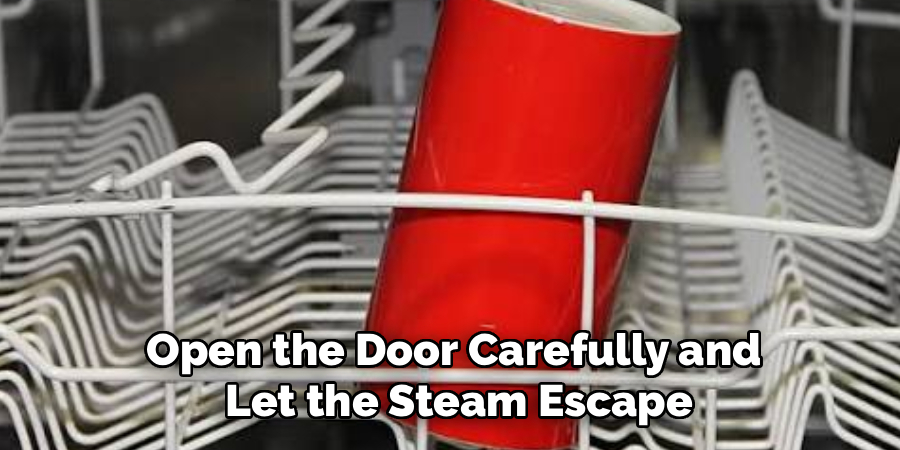
When the cycle finishes, open the door carefully and let the steam escape before reaching in. Pull the racks out and look them over closely under good lighting. Most of the grime should be gone, leaving the metal noticeably cleaner and brighter. If you spot a few lingering patches, do not worry, as these are common on heavily soiled racks. A quick scrub with a damp sponge and a little baking soda paste usually clears them right up. This inspection step gives you a chance to catch any missed areas before the racks go back in the oven.
Step 7: Dry the Racks Thoroughly Before Returning Them
Damp racks left in a hot oven can develop rust or water spots, so drying matters. Wipe each rack down with a clean, dry cloth to remove leftover moisture. For extra peace of mind, let them air dry fully on a rack or towel for an hour or two. You can also pop them back into a warm (not hot) oven for a few minutes to speed things along. Once they are completely dry, slide them back into place. Your oven is now ready for its next use, and the whole job took far less effort than hand scrubbing would have.
Frequently Asked Questions
Can You Put All Oven Racks in the Dishwasher?
Not always. Many standard chrome or nickel-plated racks handle a dishwasher cycle fine, but some coated or specialty racks can discolor or degrade. Self-cleaning oven racks in particular often warn against dishwasher use. The safest move is to check your oven manual before loading anything. When in doubt, hand washing protects your racks and keeps them looking good for years.
Will Washing Oven Racks Damage My Dishwasher?
It usually will not, as long as you load them carefully. The main risks are blocking the spray arms, scratching the interior, or overloading the machine. Position racks so they do not interfere with moving parts, and avoid cramming them in. Running an occasional rack wash is fine for most machines, though doing it constantly with very greasy racks may build up residue over time.
How Often Should I Clean My Oven Racks?
For most households, cleaning oven racks every one to three months keeps grease from building up too much. If you cook often or roast greasy dishes regularly, a monthly clean works better. Waiting too long lets grime bake on harder, making any cleaning method tougher. A quick wipe after big spills, paired with a deeper clean now and then, keeps everything manageable and easy.
What If Grease Is Still Stuck After the Cycle?
Stubborn spots are common on heavily soiled racks. If grime remains, make a paste of baking soda and water, spread it on the affected areas, and let it sit for fifteen minutes. Then scrub gently with a non-scratch sponge and rinse. For really tough buildup, a longer soak in warm, soapy water before the next wash helps loosen everything and makes the job much simpler.
Are There Alternatives to Using the Dishwasher?
Yes, several methods work well. Soaking racks in a bathtub with hot water, dish soap, and baking soda is popular for heavy grime. Some people use dryer sheets or commercial oven cleaners for tough jobs. Each approach has trade-offs in time and effort. The dishwasher simply offers a convenient, low-effort option when your racks are lightly to moderately dirty and your manuals approve the method.
Conclusion
Keeping your oven racks clean does not have to mean hours of scrubbing over the sink. As we have seen, learning how to clean oven racks in dishwasher cycles gives you a practical, low-effort way to lift grease and grime using a tool you already have. From checking your manuals and scraping off debris to loading correctly, choosing a heavy-duty cycle, and drying thoroughly, each step builds toward a cleaner result with less hassle.
The real takeaway is that this method rewards a little preparation. When you confirm your racks are dishwasher-safe and pre-clean the worst spots, you set yourself up for success every time. Give it a try with your next batch of racks, adjust the steps to fit your kitchen, and enjoy the extra time you save. With this approach in your routine, a sparkling clean oven is well within reach, no matter your skill level.

About
Ethan Wrenford is a dedicated home appliance specialist with years of hands-on experience in appliance troubleshooting, maintenance, repair, and DIY diagnostics. His professional focus lies in combining practical repair knowledge with simple, easy-to-follow solutions, helping homeowners understand common appliance problems and confidently identify potential causes at home. As an author at ApplianceWhy, Ethan shares practical knowledge on home appliance repair, DIY appliance diagnostics, maintenance, troubleshooting, appliance care, and everyday solutions for common household appliance issues.
Education
Portland Community College (Portland, USA)
Associate Degree in Appliance Technology & Residential Systems
- Focused on residential appliance systems, electrical fundamentals, mechanical components, and appliance troubleshooting.
- Developed practical skills in appliance diagnostics, component testing, electrical safety, and repair procedures.
- Gained hands-on experience working with refrigerators, washing machines, dryers, dishwashers, ovens, ranges, and other household appliances.
Oregon Institute of Technology (Klamath Falls, USA)
Bachelor’s in Applied Electronics & Technology
- Specialized in electrical systems, electronic controls, sensors, motors, and residential equipment.
- Studied diagnostic techniques for identifying electrical, mechanical, and component-related appliance problems.
- Completed practical projects involving appliance control systems, troubleshooting methods, preventive maintenance, and repair fundamentals.
Publications and Impact
Through ApplianceWhy, Ethan shares practical insights into home appliance repair, DIY diagnostics, maintenance, troubleshooting, and appliance care. His writing focuses on turning confusing appliance problems into simple, understandable steps that homeowners can follow safely.
Ethan covers everything from diagnosing a refrigerator that is not cooling and a washing machine that will not drain to troubleshooting dryers, dishwashers, ovens, microwaves, and other common household appliances. His content helps readers understand appliance symptoms, identify possible causes, perform basic diagnostic checks, and determine when professional repair may be necessary.
Through his work, Ethan aims to bridge the gap between professional appliance repair knowledge and everyday homeowners—making appliance troubleshooting more approachable, practical, and accessible to everyone who wants to diagnose smarter, maintain better, and keep their appliances running longer.