

Moving a stove looks like a job for the professionals. It doesn’t have to be. With a bit of planning and the right method, this is something most people can manage on their own. Maybe you’re cleaning out the grime that’s been hiding back there for years. Maybe you’re mid-renovation, or packing up for a move across town. Either way, learning to shift a stove safely can spare you both the expense and the hassle of hiring help. What it really comes down to is preparation—and a willingness to slow down.
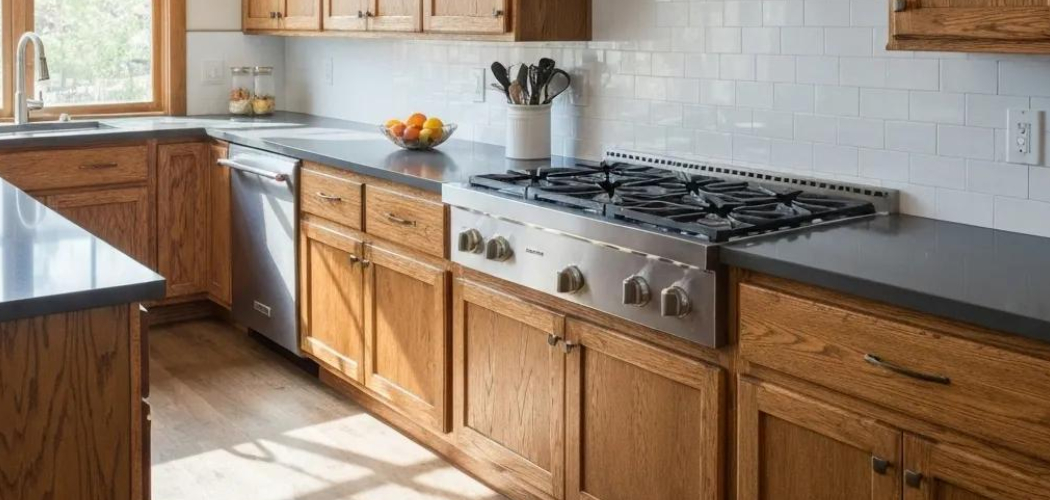
This guide on how to move a stove covers the whole process, from the tools worth gathering to the exact order of steps. Along the way, I’ll flag the mistakes people tend to make, plus a few honest signs that the job might be better handed to someone else. By the time you reach the end, you should feel ready to take this on without wrecking your appliance, gouging your floors, or throwing out your back in the process.
Before Moving the Stove
Resist the urge to start shoving. Take a minute to think it through first. Moving a stove isn’t purely a matter of strength—safety carries just as much weight here. These appliances are heavy, and depending on what you own, they’re likely tied into a gas or electrical supply. Skip the prep and rush in, and you could be looking at a pulled muscle, a scratched floor, or something far worse like a gas leak.
So begin by figuring out exactly what you’re dealing with. A gas stove means shutting off the gas supply before anything else. An electric one needs unplugging, or disconnecting from its dedicated circuit if it’s hardwired. Clear the space around it. Pull everything off the stovetop and out of the oven. Then check that your route is genuinely clear—no rugs, no stray chairs, nothing to trip over. Five minutes of this now saves you a real headache later.
Tools and Equipment You May Need
The right gear makes all the difference between a smooth job and a struggle. Round these up before you touch the stove.
Appliance Dolly or Hand Truck
A solid appliance dolly does the heavy lifting so your spine doesn’t have to. It’s the single most useful thing on this list for shifting something this awkward.
Furniture Sliders or Moving Blankets
Sliders let the stove glide instead of drag. Moving blankets, meanwhile, sit between the appliance and your floor to keep both free of scratches.
Adjustable Wrench
This one’s for gas stoves specifically—you’ll need it to disconnect the gas line.
Work Gloves
Sharp metal edges lurk in unexpected places on a stove. Gloves protect your hands and give you a firmer grip while you work.
Screwdriver
Handy for loosening the brackets or the anti-tip device holding the stove in position.
Flashlight
The space behind a stove tends to be dark, dusty, and full of connections you’ll want to see clearly. A decent light earns its place here.
7 Simple Steps on How to Move a Stove
Step 1: Disconnect the Power or Gas Supply
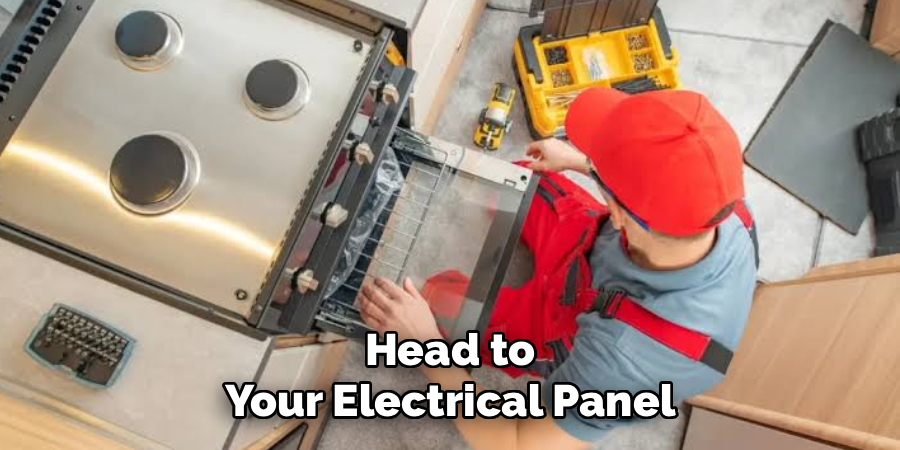
This comes first, always. For an electric stove, pull the plug from the wall. If it’s hardwired, head to your electrical panel and switch off the breaker. Gas stoves need a different approach—find the gas valve behind the appliance and turn it off, then use your adjustable wrench to disconnect the line. Before you go any further, take a moment to smell for gas. If something feels off, or you’re just not confident around gas fittings, stop right there and call someone qualified. No job is worth the risk.
Step 2: Remove the Anti-Tip Bracket
Nearly all modern stoves ship with an anti-tip bracket that anchors them to the floor or wall. Grab your screwdriver, track it down, and take it off. People forget this step surprisingly often—and then the stove catches or lurches the moment they start pulling. Not fun.
Step 3: Clear and Protect the Path
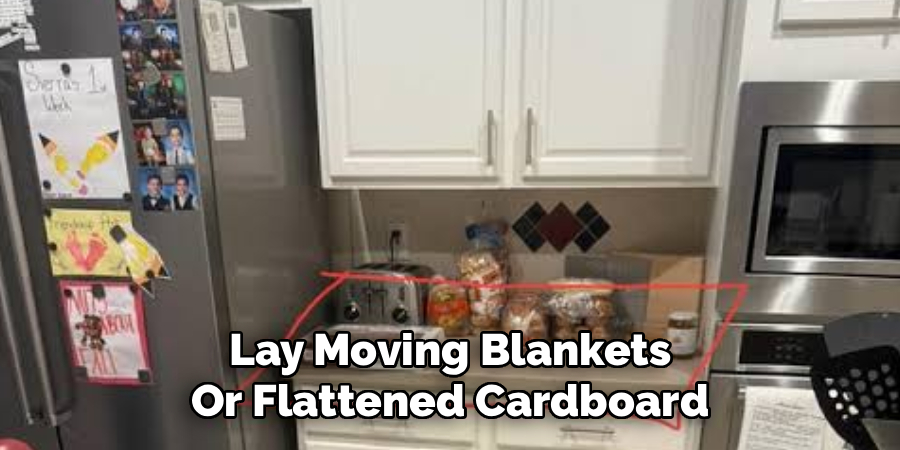
Lay moving blankets or flattened cardboard along the exact route you’ll be taking. This is what keeps your floors free of scratches and dents. Shift any furniture, rugs, or clutter out of the way. If your path crosses different floor surfaces, give some thought to those transitions—thresholds between rooms can catch a slider off guard.
Step 4: Slide the Stove Forward Gently
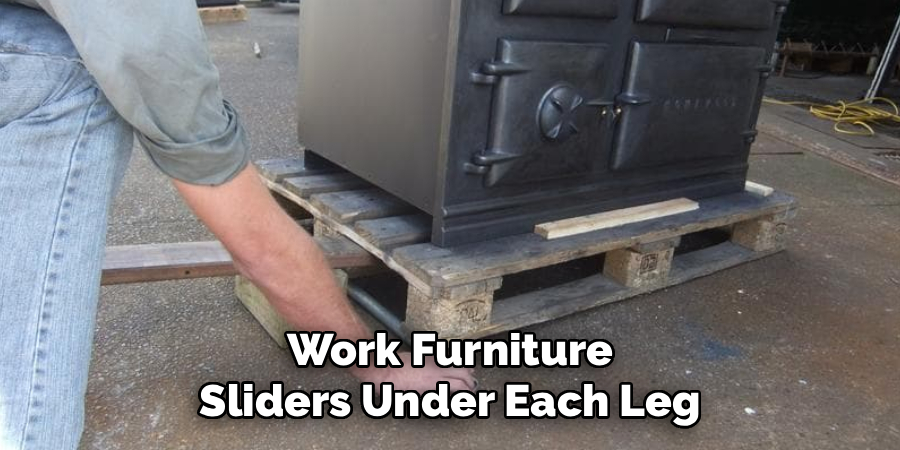
Rock the stove carefully and work furniture sliders under each leg. Then ease it forward, slowly. Jerky, impatient movements are exactly how floors get gouged, and appliances get dinged, so resist the temptation to yank. If the stove is on the heavier or bulkier side, having a second person guide you makes a real difference.
Step 5: Position the Dolly
Once you’ve got enough clearance from the wall, tilt the stove slightly and slide the dolly in underneath. Center it. Check that it feels stable before committing any weight to it. If your dolly has straps, use them—securing the stove now stops it from shifting later, which is when accidents tend to happen.
Step 6: Move the Stove to Its Destination
With everything strapped down, tilt the dolly back and roll it toward its new spot. Steady and controlled beats fast every time. Keep an eye on tight corners and doorways, and pay close attention to any stairs. Stairs, honestly, are where solo attempts go wrong—if you’ve got them on your route, get a second pair of hands.
Step 7: Reconnect and Test
Now put everything back together. For a gas stove, reattach the line and check for leaks with a soapy water solution—if bubbles form, you’ve got a leak and need to address it before using the appliance. For an electric stove, plug it back in or flip the breaker on. Reattach the anti-tip bracket, then run a quick test to confirm it all works as it should.
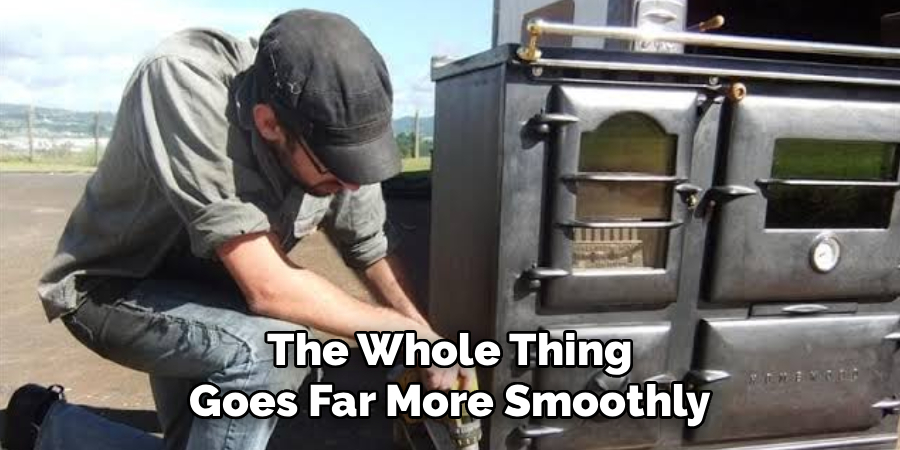
Work through these steps on how to move a stove, and the whole thing goes far more smoothly.
Common Mistakes to Avoid
The error I see most is people not disconnecting the gas or power properly before they start. That’s how injuries and leaks happen, and it’s entirely avoidable. Close behind is the solo hero move—trying to wrestle a heavy, unwieldy appliance without help. Your back rarely thanks you, and your floors don’t either.
Then there’s floor protection, which people skip constantly and regret later when they spot the scratches. Rushing tends to compound all of this; move too fast and small mistakes pile up into real ones. And a quietly dangerous one: forgetting to reattach the anti-tip bracket once the stove is settled. That leaves the whole appliance unstable, which matters a lot in a house with kids. Go slowly, work through each step, and most of these simply don’t come up.
When to Hire a Professional?
Some days, doing it yourself just isn’t the smart call. If you’ve got a gas stove and disconnecting the gas line makes you nervous, that nervousness is worth listening to—a licensed professional is the safer bet. Gas leaks aren’t something to gamble on, and a small slip can carry serious consequences. The same logic applies if your stove has to travel down a flight of stairs or across a long distance. Professional movers own the right equipment and have done it enough times to handle those situations without drama.
Be honest about your own body, too. A bad back or the absence of a willing helper both point toward hiring someone. What movers charge usually looks cheap next to a medical bill or a ruined appliance. When you genuinely can’t tell whether it’s safe, that uncertainty is your answer—bring in the experts.
Frequently Asked Questions
Can I Move a Gas Stove by Myself?
You can, provided you’re genuinely comfortable shutting off the gas valve and disconnecting the line yourself. Check for leaks both before and after the move. At any point where you feel out of your depth, hand it to a licensed professional—the risk of a gas leak isn’t worth saving a bit of money.
How Do I Protect My Floors When Moving a Stove?
Slide furniture sliders under each of the stove’s legs, and lay moving blankets or cardboard along your path. The sliders let the stove move without dragging, while the blankets shield hardwood, tile, or laminate from scratches and dents.
Do I Need to Reattach the Anti-Tip Bracket?
Yes—reattach it every time. That bracket stops the stove from tipping forward when weight lands on an open oven door. Leaving it off creates a genuine hazard, and that’s especially true in homes with young children around.
Final Thoughts on Moving Your Stove
Shifting a stove needn’t be a stressful ordeal. Given the right tools, a clear plan, and enough patience to not rush it, you can relocate the appliance without harming your home or yourself. Safety is the thing to keep front of mind, particularly the moment gas or electrical connections enter the picture.
Take each step at its own pace, and ask for help the instant you need it—there’s no medal for doing this alone. And if the whole thing starts to feel too risky or fiddly, calling a professional isn’t a failure. It’s just good sense. Whether you handle it yourself or bring someone in, these steps should get your stove where it’s going in one piece. Thanks for reading this guide on how to move a stove.

About
Ethan Wrenford is a dedicated home appliance specialist with years of hands-on experience in appliance troubleshooting, maintenance, repair, and DIY diagnostics. His professional focus lies in combining practical repair knowledge with simple, easy-to-follow solutions, helping homeowners understand common appliance problems and confidently identify potential causes at home. As an author at ApplianceWhy, Ethan shares practical knowledge on home appliance repair, DIY appliance diagnostics, maintenance, troubleshooting, appliance care, and everyday solutions for common household appliance issues.
Education
Portland Community College (Portland, USA)
Associate Degree in Appliance Technology & Residential Systems
- Focused on residential appliance systems, electrical fundamentals, mechanical components, and appliance troubleshooting.
- Developed practical skills in appliance diagnostics, component testing, electrical safety, and repair procedures.
- Gained hands-on experience working with refrigerators, washing machines, dryers, dishwashers, ovens, ranges, and other household appliances.
Oregon Institute of Technology (Klamath Falls, USA)
Bachelor’s in Applied Electronics & Technology
- Specialized in electrical systems, electronic controls, sensors, motors, and residential equipment.
- Studied diagnostic techniques for identifying electrical, mechanical, and component-related appliance problems.
- Completed practical projects involving appliance control systems, troubleshooting methods, preventive maintenance, and repair fundamentals.
Publications and Impact
Through ApplianceWhy, Ethan shares practical insights into home appliance repair, DIY diagnostics, maintenance, troubleshooting, and appliance care. His writing focuses on turning confusing appliance problems into simple, understandable steps that homeowners can follow safely.
Ethan covers everything from diagnosing a refrigerator that is not cooling and a washing machine that will not drain to troubleshooting dryers, dishwashers, ovens, microwaves, and other common household appliances. His content helps readers understand appliance symptoms, identify possible causes, perform basic diagnostic checks, and determine when professional repair may be necessary.
Through his work, Ethan aims to bridge the gap between professional appliance repair knowledge and everyday homeowners—making appliance troubleshooting more approachable, practical, and accessible to everyone who wants to diagnose smarter, maintain better, and keep their appliances running longer.