

Greasy oven racks tend to sit at the bottom of everyone’s cleaning list. That baked-on grime builds up slowly, one roast dinner at a time, until the racks look like a lost cause.
Before you buy a can of chemical spray or start pricing out replacements, though, there’s a fix already waiting in your kitchen cupboard.Vinegar and baking soda make a surprisingly capable cleaning pair.
Together, they can lift years of grease without the harsh fumes, the endless scrubbing, or the cost of a specialty product. This guide walks you through exactly how to clean oven racks with vinegar and baking soda.
You’ll find the tools you need, the safety steps worth following, and a handful of mistakes that trip people up along the way.
Can You Clean Oven Racks With Vinegar and Baking Soda?
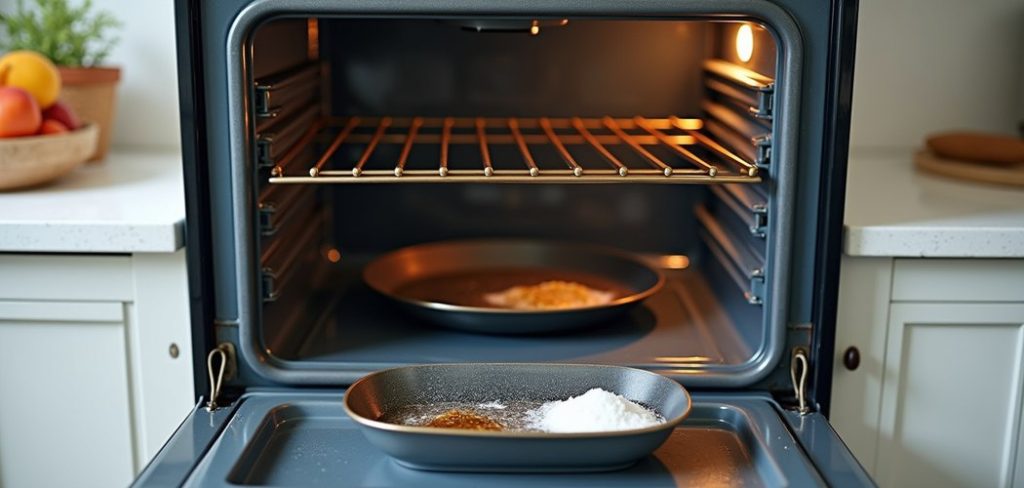
Yes. The two ingredients work well together because of a simple chemical reaction. Baking soda is a mild alkali. White vinegar is a mild acid. Put them in contact, and they fizz.
That bubbling isn’t just for show; it appears to help loosen baked-on food and soften the sticky residue that clings to the metal, which means less elbow grease later.The appeal here is fairly obvious.
This method costs next to nothing; it won’t fill your kitchen with fumes, and it’s safe to use on something you cook food on.
Commercial oven cleaners often rely on aggressive chemicals that leave behind a residue you’d rather not have near your dinner. Vinegar and baking soda don’t. The trade-off? You’ll need a bit of patience. The results, though, tend to justify the wait.
What You’ll Need
Round up your supplies before you start. Having everything within reach makes the job quicker and stops you from scrambling mid-clean.
Tools and Materials
- Baking Soda – About half a cup, or more if the racks are badly soiled
- White Vinegar – Roughly one cup
- A Bathtub or Large Container – Big enough to fully submerge the racks
- Old Towels – To line the tub and protect the surface underneath
- Rubber Gloves – To keep your hands out of the grime
- A Scrubbing Brush or Old Toothbrush – For getting into the tight corners
- Dish Soap – A small squeeze helps cut through extra grease
- Warm Water – Enough to cover the racks completely
- A Microfiber Cloth – For drying and the final wipe-down
Safety Precautions
Vinegar and baking soda are gentle compared to chemical cleaners, but a few precautions still make sense. Work somewhere with decent airflow.
The fizzing reaction is harmless, yet the sharp smell of vinegar can build up fast in a cramped bathroom or kitchen.Slip on rubber gloves.
Grease and old food residue aren’t pleasant to handle for long, and gloves spare your skin the contact.
If you’re using your bathtub, line it with old towels first, because metal racks can scratch the surface.
One last thing that people sometimes overlook: let the racks cool completely if they’ve just come out of a hot oven.
7 Simple Steps on How to Clean Oven Racks With Vinegar and Baking Soda
Work through these in order. Most of the process is hands-off, so you can get on with your day while the mixture does the tedious part for you.
Step 1: Remove the Oven Racks
Slide the racks out and set them somewhere safe. Double-check the oven is fully cool before you touch anything. A quick shake or brush over the racks clears away loose crumbs and debris, which gives you a cleaner starting point.
Step 2: Prepare the Soaking Area
Line the base of your bathtub or large container with old towels. This does two jobs: it guards against scratches and keeps the racks from sliding around while they soak. Lay them flat on top of the towels.
Step 3: Sprinkle on the Baking Soda
Coat the racks generously. Pay extra attention to the spots with the worst buildup and burnt-on food. There’s no need to hold back here; a thick layer tends to do a better job on the stubborn patches.

Step 4: Add the Vinegar
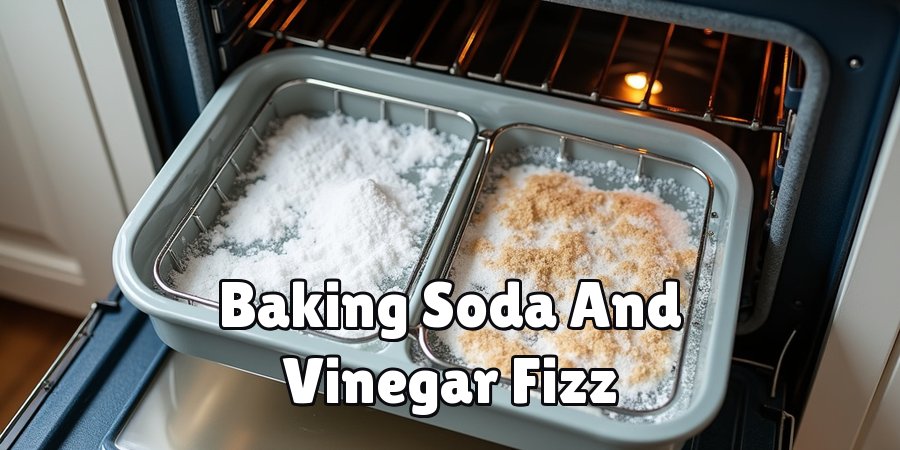
Pour the white vinegar slowly over the baking soda. Within seconds, you’ll see it fizz and bubble. That’s the reaction getting to work on the grime. Give it a few minutes before you move on.
Step 5: Fill With Warm Water
Once the fizzing dies down, run warm water into the tub until the racks disappear beneath it. A small squeeze of dish soap boosts the grease-cutting effect. Now leave everything to soak for at least four hours. Overnight is better if you can manage it.
Step 6: Scrub Away the Grime
Drain the water and grab your brush or old toothbrush. Most of the grease should come away without much effort. For the spots that don’t budge, sprinkle on a little more baking soda and scrub in small circles until they clear.

Step 7: Rinse and Dry
Give the racks a thorough rinse under clean water to wash off any leftover residue. Dry them completely with a microfiber cloth before they go back in. Any moisture left behind can lead to rust, so this step matters more than it seems.
Following these steps on how to clean oven racks with vinegar and baking soda will leave your racks looking shiny and new.
Common Mistakes to Avoid
The single biggest slip-up? Rushing the soak. Vinegar and baking soda need time to break the grease down. Cut that time short, and you’ll simply pay for it later with extra scrubbing.
Skimping on the baking soda causes a similar problem, leaving grime clinging to the metal that a thicker layer would have loosened.Drying gets overlooked too, and that’s what invites rust down the line.
And though steel wool looks tempting for those really stuck-on patches, it can scratch and damage non-stick or coated racks. A soft brush or cloth keeps the finish intact and your racks lasting longer.
How Often Should You Clean Oven Racks?
For most households, a deep clean every three to six months keeps grease from reaching that unmanageable stage.
If you cook a lot, or you roast fatty cuts fairly often, you might want to shorten that to every couple of months.
The upside of staying regular is that each session gets faster.A quick wipe-down between deep cleans helps as well. Notice smoke or a burnt smell when the oven’s on?
That usually points to racks and interior surfaces that need attention sooner rather than later. Catching it early spares you the hours-long scrub that heavy buildup demands.
Alternative Ways to Clean Oven Racks
Sometimes vinegar and baking soda don’t quite cut it, and that’s fine; there are other natural routes worth trying.
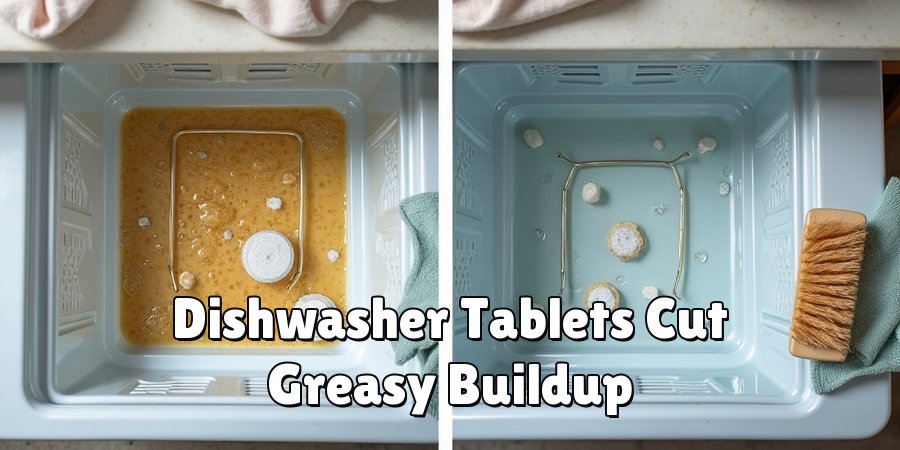
A dishwasher tablet dissolved in hot water can do a lot on greasy racks, since it’s built for exactly this kind of grime.
Soak the racks the same way you would with the vinegar method, then scrub and rinse.
Dryer sheets are another option people swear by. Lay a few in the tub, add warm water and a little dish soap, and leave the racks overnight.
The softening agents in the sheets appear to loosen grime, which makes the final wipe easier. For really severe grease, a commercial oven cleaner may be the only thing that works.
If you go that route, read the label and follow it closely.
Frequently Asked Questions
Q1: Can I Clean Oven Racks Without Removing Them?
A1: You can, though it’s not the better option. Cleaning racks while they sit in the oven makes it hard to reach every angle, and residue tends to get left behind. Taking them out lets you soak and scrub properly, which gives a noticeably cleaner result.
Q2: Will Vinegar Damage My Oven Racks?
A2: No. White vinegar is mild enough to be safe on most metal oven racks and won’t corrode them when used as directed. The one thing to remember is to rinse and dry the racks fully afterward, since lingering moisture is what causes rust.
Q3: How Long Should I Soak the Racks?
A3: Four hours usually handles light grease. Heavily soiled racks do better with an overnight soak. As a rule, the longer they sit, the less scrubbing you’ll face when you come back to them.
Conclusion
Cleaning oven racks doesn’t have to involve harsh chemicals or an afternoon of scrubbing. Vinegar, baking soda, and a decent stretch of soaking time can bring even the grimiest racks back to a near-new shine. It’s cheap, it’s safe around the family, and it’s kinder to the environment than most alternatives.
Really, it comes down to two things: patience and a bit of prep. Gather your supplies, let the mixture do its work, and follow the steps above.
Fold this into your regular cleaning routine and that dreaded layer of baked-on grease never gets the chance to build up in the first place.
Thanks for reading this guide on how to clean oven racks with vinegar and baking soda.

About
Ethan Wrenford is a dedicated home appliance specialist with years of hands-on experience in appliance troubleshooting, maintenance, repair, and DIY diagnostics. His professional focus lies in combining practical repair knowledge with simple, easy-to-follow solutions, helping homeowners understand common appliance problems and confidently identify potential causes at home. As an author at ApplianceWhy, Ethan shares practical knowledge on home appliance repair, DIY appliance diagnostics, maintenance, troubleshooting, appliance care, and everyday solutions for common household appliance issues.
Education
Portland Community College (Portland, USA)
Associate Degree in Appliance Technology & Residential Systems
- Focused on residential appliance systems, electrical fundamentals, mechanical components, and appliance troubleshooting.
- Developed practical skills in appliance diagnostics, component testing, electrical safety, and repair procedures.
- Gained hands-on experience working with refrigerators, washing machines, dryers, dishwashers, ovens, ranges, and other household appliances.
Oregon Institute of Technology (Klamath Falls, USA)
Bachelor’s in Applied Electronics & Technology
- Specialized in electrical systems, electronic controls, sensors, motors, and residential equipment.
- Studied diagnostic techniques for identifying electrical, mechanical, and component-related appliance problems.
- Completed practical projects involving appliance control systems, troubleshooting methods, preventive maintenance, and repair fundamentals.
Publications and Impact
Through ApplianceWhy, Ethan shares practical insights into home appliance repair, DIY diagnostics, maintenance, troubleshooting, and appliance care. His writing focuses on turning confusing appliance problems into simple, understandable steps that homeowners can follow safely.
Ethan covers everything from diagnosing a refrigerator that is not cooling and a washing machine that will not drain to troubleshooting dryers, dishwashers, ovens, microwaves, and other common household appliances. His content helps readers understand appliance symptoms, identify possible causes, perform basic diagnostic checks, and determine when professional repair may be necessary.
Through his work, Ethan aims to bridge the gap between professional appliance repair knowledge and everyday homeowners—making appliance troubleshooting more approachable, practical, and accessible to everyone who wants to diagnose smarter, maintain better, and keep their appliances running longer.