

Your refrigerator hums along in the background, quietly keeping food cold day and night. Now and then it does something you probably never notice. It defrosts. This routine process clears frost from the cooling parts, and it matters more than most people realize for keeping the appliance running well. Here’s the catch, though. Plenty of homeowners can’t tell whether their fridge is defrosting the way it should or wrestling with something worse.
Learning to read the signs of a healthy defrost cycle may save you money, spare your groceries, and help you catch trouble before it turns into a repair bill. This guide on how to tell if your fridge is defrosting walks through how a refrigerator actually defrosts, what a normal cycle looks and sounds like, and seven steps to confirm yours is behaving. By the end, you should feel comfortable sizing up your appliance without calling anyone.
How Does a Refrigerator Defrost?
Most modern refrigerators rely on an automatic defrost system to stop frost from gathering on the evaporator coils. Those coils sit behind the back panel of your freezer, and they do the work of cooling the air inside. Moisture in the air freezes onto them over time. Left alone, that frost blocks airflow and pushes your fridge to work harder than it needs to.
The fix is fairly clever. Several times a day, the fridge runs a defrost cycle. A small heating element warms the coils just enough to melt the frost away, and the meltwater trickles down into a pan near the compressor, where it evaporates. A defrost timer or control board decides when these cycles run, and each one usually lasts somewhere between 20 and 40 minutes. All of this happens quietly, which is exactly why so few people ever notice it.
Signs Your Fridge Is in a Normal Defrost Cycle
A normal cycle leaves a few faint clues. The cooling fans and compressor fall silent for a stretch, which can make the whole appliance seem oddly hushed. Listen closely, and you might catch a soft sizzle, a drip, or a light crackle as frost melts and water runs toward the drain pan.
The inside temperature may climb a few degrees, but it should settle back down once the cycle wraps up. Sometimes you’ll notice a bit of water near the back of the freezer, or the exterior around the coils might feel slightly warm to the touch. None of that signals a problem. Trouble only appears when frost keeps piling up, water gathers where it shouldn’t, or the cycle simply never seems to start.
7 Simple Steps on How to Tell If Your Fridge Is Defrosting
Step 1: Listen for Sounds
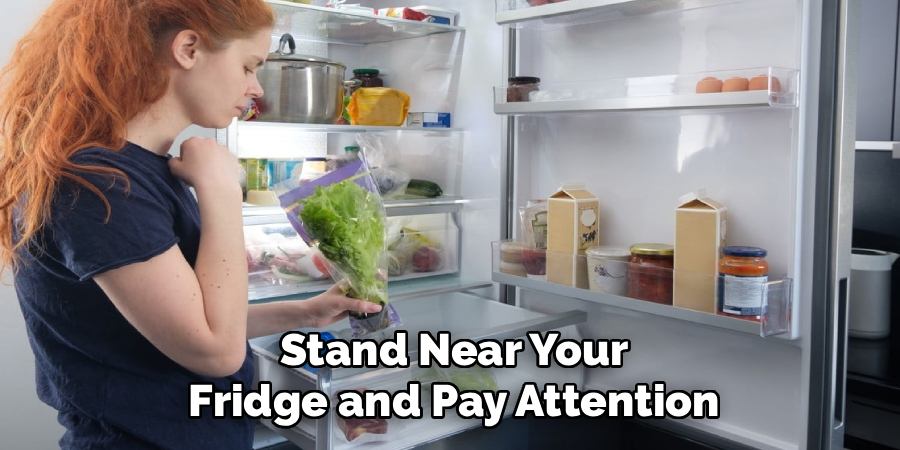
Stand near your fridge and pay attention. When a defrost cycle kicks in, the compressor and fans stop, so the appliance turns noticeably quieter. Now listen for gentle dripping, sizzling, or crackling. Those sounds mean frost is melting off the coils and the water is draining as it should.
Step 2: Check the Freezer Temperature
Grab an appliance thermometer and set it inside the freezer. A slight temperature rise during a defrost cycle is perfectly normal. Your freezer should sit near 0°F (-18°C) most of the time. A brief climb of a few degrees during defrost is nothing to fret over, provided it drops back down afterward.
Step 3: Inspect the Evaporator Coils
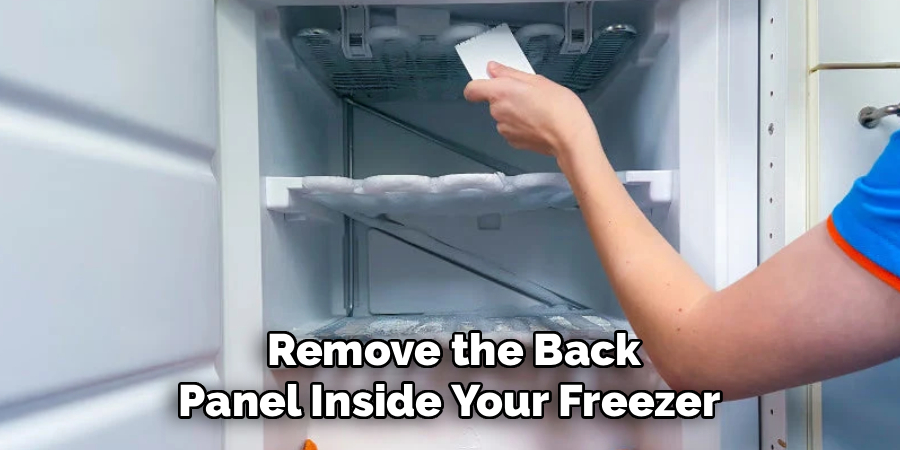
Unplug the fridge, then remove the back panel inside your freezer to expose the evaporator coils. In a healthy appliance, those coils should look mostly clear or only lightly dusted with frost. A thick, solid wall of ice suggests your defrost system probably isn’t doing its job.
Step 4: Look for Water in the Drain Pan
Find the drain pan, usually tucked at the bottom rear of your fridge near the compressor. After a defrost cycle, this pan should hold a little water. Water here is a good sign. It tells you melted frost is draining correctly. A pan that stays bone dry over time may point to a defrost issue.
Step 5: Feel for Warmth Near the Coils
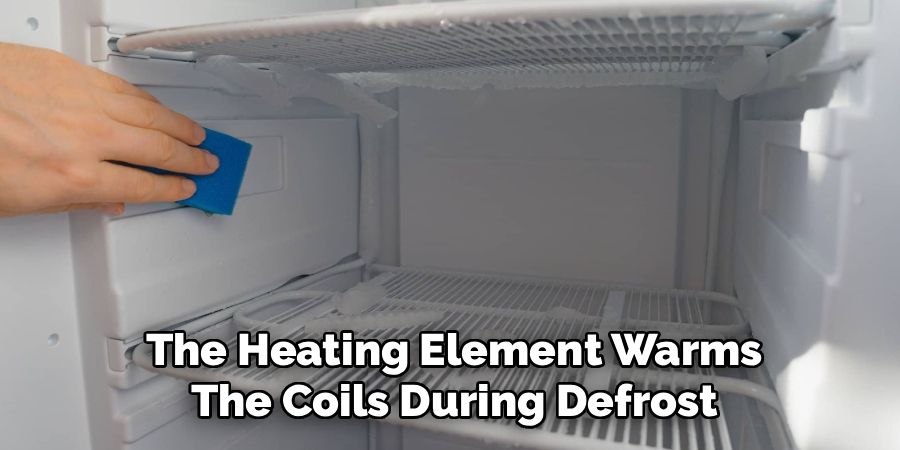
The heating element warms the coils during defrost to melt the frost. Carefully feel the area around the back panel of the freezer. A touch of warmth suggests the defrost heater is working. If everything stays icy and frost keeps creeping back, the heater may have given out.
Step 6: Watch for Frost Buildup Over Time
Keep an eye on your freezer over a few days. A fridge that defrosts properly won’t grow heavy frost or ice sheets on its interior walls. Notice frost returning quickly after you clear it? That’s a strong hint the defrost cycle isn’t running the way it should.
Step 7: Test the Defrost Timer
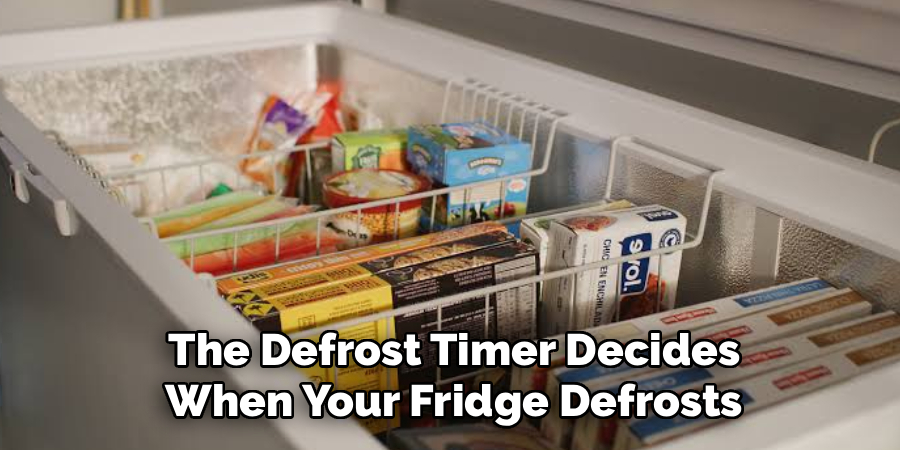
The defrost timer decides when your fridge defrosts. Track it down, often behind the kickplate, inside the fridge, or near the compressor, and turn the dial slowly with a screwdriver until you hear a click. That starts a manual defrost cycle. If the compressor shuts off and the heater switches on, your timer is fine. No response could mean the timer needs replacing.
Follow these seven steps on how to tell if your fridge is defrosting to learn everything about it.
What to Do If Your Fridge Is Not Defrosting?
So your checks turned up a defrost problem. Don’t panic. Begin with the easy stuff. Confirm the appliance is plugged in and getting power, and double-check that nobody nudged the temperature settings too low. Once in a while, a manual defrost, where you unplug the fridge for a few hours and let all the ice melt, resets things and gets you back on track.
When frost keeps coming back, the fault usually sits with one of three parts: the defrost heater, the defrost thermostat, or the defrost timer or control board. These wear out with age. A confident homeowner can swap some of them out, but if you’re unsure, calling a qualified appliance technician is the safer bet. A pro can pin down the exact fault and head off further damage to your fridge.
Common Mistakes to Avoid
One of the most frequent slip-ups is mistaking a normal defrost cycle for a breakdown. The compressor goes quiet, the temperature ticks up a little, and suddenly people assume the fridge has died, when it’s really just going about its business. That kind of overreaction can lead to repairs nobody needed.
Ignoring frost for too long is another common error. A thin layer is fine. Let it grow into thick ice, though, and it starts choking airflow and straining the compressor. Two habits worth breaking: don’t cram your freezer so full that air can’t move around, and never take a sharp tool to the ice. Puncture a coil, and you’re looking at serious, expensive damage.
Frequently Asked Questions
Q1: How Often Does a Refrigerator Defrost?
Most automatic-defrost refrigerators run a defrost cycle two to four times a day, with each cycle lasting roughly 20 to 40 minutes. The exact frequency depends on your model and how often the doors get opened, but the aim never changes: keep frost from building up on the evaporator coils.
Q2: Can a Fridge Work Without Defrosting?
A fridge can limp along for a while without defrosting, though it won’t do so well for long. Frost keeps collecting on the coils, airflow drops off, and the compressor ends up overworking. Down the line, that means weak cooling, steeper energy bills, and possible damage to the appliance.
Q3: Is It Normal to Hear Sounds During Defrosting?
Yes. Gentle sounds are completely normal during a defrost cycle. You may hear water dripping, a faint sizzle, or a soft crackle as frost melts off the coils. Those noises tell you the defrost system is doing its work. Loud banging or grinding, on the other hand, may signal a separate problem.
Q4: How Often Should I Defrost My Freezer?
The frequency of defrosting can vary depending on the type and age of your freezer. Manual-defrost freezers typically need to be defrosted every 6-12 months, while self-defrosting models may only need to be defrosted once a year or less. It’s important to check your freezer’s manual for specific recommendations. However, if you notice an excessive buildup of frost or ice in your freezer, it may indicate an issue with the appliance that needs to be addressed. Regularly checking and cleaning your freezer can also help prevent the need for frequent defrosting.
Keep Your Fridge Running Cool
Knowing how to tell if your fridge is defrosting hands you real control over your appliance’s health. Listen for the sounds, check the temperatures, inspect the coils, and watch for frost. A few minutes of attention lets you confirm whether everything is working, and those same minutes can spare you spoiled food and a pricey repair later on.
If your fridge shows signs of a defrost problem, move early. Start with basic troubleshooting, steer clear of common mistakes like chipping at ice, and bring in a professional when the situation calls for it. A little care now keeps your refrigerator cooling efficiently for years and keeps your groceries right where they belong.

About
Ethan Wrenford is a dedicated home appliance specialist with years of hands-on experience in appliance troubleshooting, maintenance, repair, and DIY diagnostics. His professional focus lies in combining practical repair knowledge with simple, easy-to-follow solutions, helping homeowners understand common appliance problems and confidently identify potential causes at home. As an author at ApplianceWhy, Ethan shares practical knowledge on home appliance repair, DIY appliance diagnostics, maintenance, troubleshooting, appliance care, and everyday solutions for common household appliance issues.
Education
Portland Community College (Portland, USA)
Associate Degree in Appliance Technology & Residential Systems
- Focused on residential appliance systems, electrical fundamentals, mechanical components, and appliance troubleshooting.
- Developed practical skills in appliance diagnostics, component testing, electrical safety, and repair procedures.
- Gained hands-on experience working with refrigerators, washing machines, dryers, dishwashers, ovens, ranges, and other household appliances.
Oregon Institute of Technology (Klamath Falls, USA)
Bachelor’s in Applied Electronics & Technology
- Specialized in electrical systems, electronic controls, sensors, motors, and residential equipment.
- Studied diagnostic techniques for identifying electrical, mechanical, and component-related appliance problems.
- Completed practical projects involving appliance control systems, troubleshooting methods, preventive maintenance, and repair fundamentals.
Publications and Impact
Through ApplianceWhy, Ethan shares practical insights into home appliance repair, DIY diagnostics, maintenance, troubleshooting, and appliance care. His writing focuses on turning confusing appliance problems into simple, understandable steps that homeowners can follow safely.
Ethan covers everything from diagnosing a refrigerator that is not cooling and a washing machine that will not drain to troubleshooting dryers, dishwashers, ovens, microwaves, and other common household appliances. His content helps readers understand appliance symptoms, identify possible causes, perform basic diagnostic checks, and determine when professional repair may be necessary.
Through his work, Ethan aims to bridge the gap between professional appliance repair knowledge and everyday homeowners—making appliance troubleshooting more approachable, practical, and accessible to everyone who wants to diagnose smarter, maintain better, and keep their appliances running longer.