

You start a load, walk off to do something else, and come back to water spreading across the floor. Or maybe the sound gives it away first, that low gurgle as the drum strains to empty and something in the pipe pushes back.
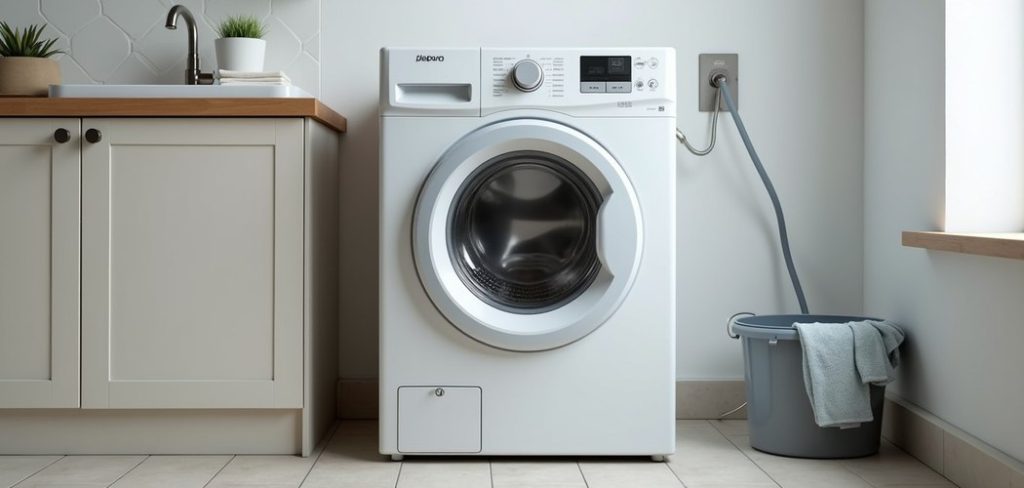
Either way, your stomach drops a little. Nobody schedules this kind of afternoon.
Here’s the part worth holding onto, though. Most of the time, learning how to unclog washing machine drain lines is a job you can manage yourself, without a phone call or much money spent.
Below, I’ll walk you through spotting the cause, clearing the blockage one step at a time, and keeping it from returning. No plumbing background needed.
Understanding Your Washing Machine Drain System
Before you start pulling anything apart, it helps to know where the water actually goes. That mental picture makes the whole task feel less like fumbling in the dark.
The setup is simpler than most people expect. A handful of parts, one clear path.
How the Drain Hose and Standpipe Work Together
When a cycle finishes, the pump pushes used water out through a drain hose. That hose feeds into a standpipe, the tall vertical pipe poking up from the wall or floor nearby.
From there, the water flows into your home’s main drain line. When any point along that route narrows or clogs, the water has nowhere to go. So it backs up toward you.

Common Spots Where Clogs Form
Blockages tend to gather in predictable places. The drain hose is one, particularly where it bends or connects to the standpipe.
The standpipe itself is another frequent offender. Further down, the household drain line can trap debris shared with other fixtures, though that scenario shows up less often.
What Causes Most Drain Clogs
Lint is the quiet villain here. Every wash sheds fibers, and over time those fibers knit together into a soft, stubborn plug.
Toss in stray hair, the odd sock or coin, and a slow film of soap scum, and the pipe gradually chokes itself down. It rarely happens overnight, which may be exactly why it catches so many people off guard.
Signs Your Washing Machine Drain Is Clogged
Catching the problem early spares you a bigger mess later. A blockage usually announces itself in a few ways well before the floor floods.
Reading those signs is half the work.
Water Backing Up or Draining Slowly
The clearest signal is water that pools instead of leaving. You might spot it around the base of the machine, or rising in a nearby standpipe or utility sink.
Sluggish draining counts too. If the water does go, but slowly and grudgingly, something is partly blocking its path.
Unpleasant Odors From the Machine
A musty, sour smell drifting out of the washer often points to trapped debris. Stagnant water and lodged gunk sit there quietly, and they don’t stay fresh for long.
If your clean laundry starts smelling less than clean, the drain could be the culprit. Worth a check before you blame the detergent.
Error Codes and Interrupted Cycles
Plenty of modern machines are smart enough to notice when water can’t leave. They’ll flash a drain-related error code, or simply stall mid-cycle with a full drum and no spin.
That interruption is annoying, no question. Still, it’s the machine doing you a quiet favor, flagging the trouble before it spills over the edge.
Tools and Materials You Will Need
Nothing derails a small repair faster than realizing you’re missing something halfway through. So gather everything first.
The list is short, and you probably own most of it already.
Basic Tools for the Job
You’ll want a bucket for catching water and a few old towels for the drips that always find their way out. A pair of pliers helps loosen tight hose clamps.
For clogs sitting deeper, a drain snake or plumber’s auger reaches where fingers can’t. That’s the one tool worth buying if you’ve fought this battle before.
Cleaning Supplies That Help
Baking soda and white vinegar make a gentle clearing mix that loosens soap scum without the harsh fumes. A kettle of hot water finishes the job nicely.
Keep gloves within reach too. This work turns grimy fast, and there’s no reason your hands should suffer for it.

Safety and Prep Items
A flashlight earns its keep, since the space behind a washer sits in permanent shadow. A screwdriver may come in handy for popping open an access panel.
And somewhere to catch spills, a wide tray or a stack of extra towels, keeps the whole area from becoming a swamp.
Safety Steps Before You Begin
Cutting corners on prep isn’t worth the risk here. A couple of precautions keep the job dry and safe.
Water and electricity sitting close together deserve genuine respect.
Unplugging the Machine and Shutting Off Water
Pull the plug from the outlet before you touch anything behind the machine. People rush past this step constantly, and it’s the one I’d never skip.
Then close the water supply valves on the wall. With both power and water off, nothing surprises you mid-job.
Preparing for Spills and Standing Water
Assume water will escape, because it usually does. Lay towels around the work area and keep your bucket within arm’s reach.
If the machine is already holding standing water, that has to come out too. Far better to plan for the mess than to mop it up in a scramble.
How to Unclog Washing Machine Drain: Step-by-Step Guide
This is the heart of it. You’re only a handful of clear steps away from a freely flowing drain, so take your time and move steadily.
None of this asks for special skill. It asks for patience.
Step 1: Turn Off Power and Prepare the Area
Start by unplugging the washer, closing the water valves, and easing the machine forward so you can reach the back. Rock it gently rather than dragging it, which protects both the floor and the hoses.
Lay your towels down and set the bucket nearby. Solid prep here makes every later step calmer and cleaner.
Step 2: Locate and Inspect the Drain Hose
Find the drain hose at the back of the machine. Before doing anything else, check it for kinks or sharp bends, because a simple twist can mimic a full clog almost perfectly.
Sometimes straightening a bent hose solves the entire problem. It would be a shame to snake a pipe that was never blocked in the first place.
Step 3: Disconnect and Clear the Drain Hose
Loosen the clamp, pull the hose free, and let it drain into your bucket. Some water will spill no matter how careful you are, so don’t fight it.
Hold the hose up toward a light and peer through it. If you spot a blockage, flush it with hot water, pushing the trapped lint and debris loose.
Step 4: Remove Blockages With a Drain Snake
For clogs that refuse to flush, feed a drain snake gently into the hose or standpipe. Work it in slowly, twisting as you go to catch and break apart the buildup.
Resist the urge to force it. Slow, steady pressure clears the clog and protects the pipe, whereas jamming it could crack something you’d rather leave intact.
Step 5: Flush the Drain With a Natural Cleaner
Pour a generous amount of baking soda into the standpipe, then chase it with white vinegar. You’ll hear it fizz, which is the mix going to work on soap scum and residue.
Let it sit a few minutes. Then flush it through with hot water, washing out whatever the reaction loosened.

Step 6: Check the Machine’s Drain Filter or Pump
Many washers hide a small filter behind a panel at the front base. This little compartment is where coins, hairpins, and lint clumps love to collect.
Open the panel, remove the filter, and clear out anything trapped inside. Reseat it snugly afterward, since a loose filter may leak later on.
Step 7: Reconnect Everything and Test the Drain
Reattach the hose, secure the clamp, and restore both water and power. Then run a short rinse cycle to confirm the water flows freely.
Watch it drain. If it empties smoothly and quietly, without that telltale gurgle, you’ve done it. That small moment of success is genuinely satisfying.
What to Do If the Clog Won’t Clear
Sometimes the blockage sits deeper than you’d hoped. Stay calm. There’s usually still a path forward before you reach for the phone.
Cranking harder rarely helps, so lead with strategy instead.
Trying a Longer Drain Snake
A short snake only reaches so far. If the clog sits well down the household line, a longer auger can get to it and break it apart.
These are cheap and easy to find. For a stubborn, recurring blockage, one may be worth the small outlay.
Checking the Main Drain Line
Here’s a telling clue. When water backs up in other drains as you run the washer, the trouble likely lives in a shared line rather than the machine itself.
That points to a bigger blockage downstream. Worth investigating before you keep snaking the same hose that was never really the problem.
When to Call a Plumber
Some situations sit beyond a weekend fix. Repeated backups, water pooling across several drains, or a clog that simply won’t budge all hint at something deeper going on.
There’s no shame in calling for help at that point. Knowing when to stop may save you from turning a modest problem into an expensive one.
Preventing Future Drain Clogs
A little upkeep could mean you rarely face this hassle again. These habits cost almost nothing.
Prevention beats a wet laundry room every single time.
Using a Lint Trap on the Drain Hose
A simple mesh lint catcher slips over the end of the drain hose and stops fibers before they enter the pipe. It’s inexpensive, and you just empty it now and then.
Given how many of these clogs trace back to lint, that small addition does a surprising amount of quiet work.
Running Regular Cleaning Cycles
Once a month, run an empty hot cycle with a washing machine cleaner or a splash of vinegar. This keeps soap scum and residue from slowly building up inside the system.
The effort is minimal. A short habit now spares you a longer afternoon with a drain snake down the road.
Frequently Asked Questions
A few questions come up again and again. Let’s clear them up plainly.
Can I Use Chemical Drain Cleaners?
I’d be cautious here. Harsh chemical cleaners can degrade rubber hoses and seals over time, and they may not even reach the actual blockage.
The gentler baking soda and vinegar route is usually the safer bet. It’s kinder to your machine, and it works surprisingly well on the buildup behind most clogs.
How Often Should I Clean the Drain?
For most households, a monthly cleaning cycle plus the occasional hose check keeps things flowing. Homes with pets or heavy laundry loads might want to look a little more often.
There’s no strict rule. Let how often you notice lint guide your rhythm.
Why Does My Drain Smell Even After Cleaning?
Lingering odors usually mean some debris is still tucked away somewhere. The drain filter is a common hiding spot, since it traps gunk that a hose flush tends to miss.
Check the filter and the standpipe once more. A spot you overlooked the first time is often where the smell is coming from.
Conclusion
So there it is. Figuring out how to unclog washing machine drain lines really comes down to reading the signs, clearing the hose and filter with care, flushing the pipe, and confirming the water runs free again.
None of it demands special skill or nerve. It rewards patience and a bit of prep more than anything else.
My honest suggestion? Fit a lint trap and set a monthly cleaning reminder while it’s fresh in your mind. That way you’ve got the know-how to handle a clog with confidence, plus a decent shot at never meeting one again.

The Appliance Why team — a small group who would rather take the back panel off than pay a call-out fee. We write the repair guides we wish we had found ourselves, test the fixes on our own machines, and say plainly when something is not worth repairing.