

A broken radiator knob shouldn’t sentence you to a bedroom that feels like a greenhouse in July. This happens more than you’d think.
The plastic dial cracks off in your hand, the valve rusts shut, or the knob just disappears sometime over the years—nobody quite remembers when.
Here’s the reassuring part: you can still shut that radiator down with a few tools from the kitchen drawer and a bit of patience.
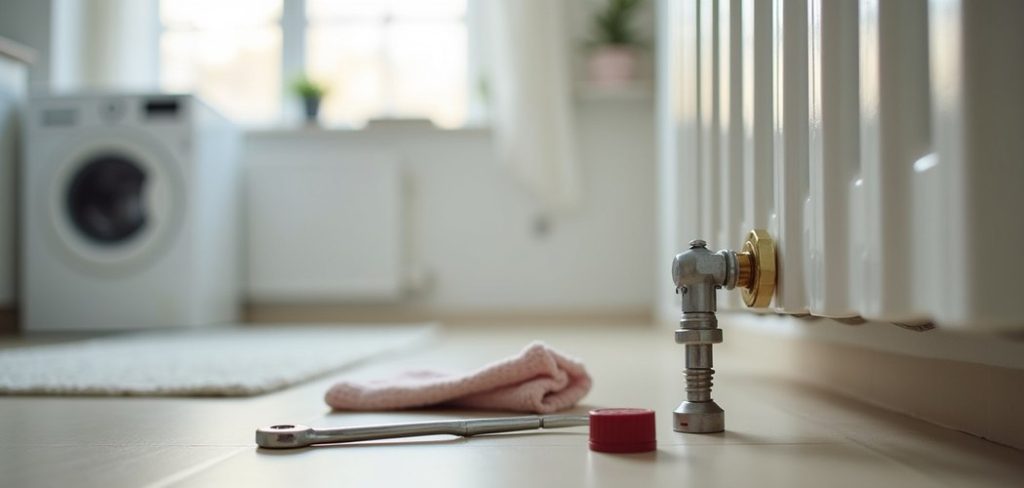
This guide on how to turn radiator off with no knob covers the whole job from start to finish.
You’ll figure out which type of radiator you’re dealing with, work through seven steps to close it off, deal with a valve that won’t cooperate, and sidestep the errors that trip most people up.
By the time you reach the end, you should feel ready to handle it yourself. You’ll also know the moments when calling someone in makes far more sense.
Can You Turn Off a Radiator Without a Knob?
Yes. The knob you normally twist is really just a plastic cap sitting on top of the valve.
Beneath it hides a small metal spindle—sometimes it looks more like a pin—and that spindle is what actually controls how much hot water flows through.
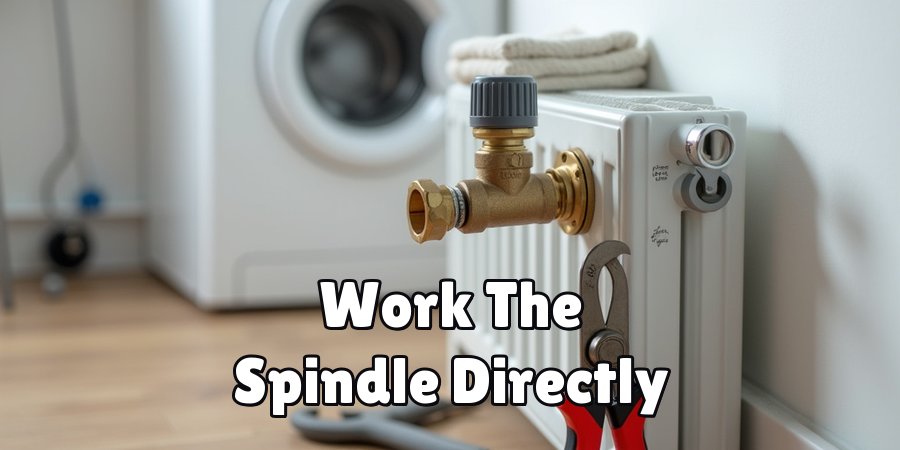
Take the cover away, and you can work the spindle directly with an adjustable wrench, a pair of pliers, or a spare valve cap.Which method you reach for depends on the valve underneath.
Some close up easily with a light hand. Others want a firm grip and the proper tool before they’ll move at all. The setup might look a little baffling at first glance. Once you know what you’re actually looking at, though, the job usually takes only a few minutes.
Identify What Type of Radiator You Have
Before you touch a thing, work out what kind of valve sits at the base of your radiator. Most fall into one of two camps.
A manual valve looks like a small wheel or dial, and it opens and closes the flow as you turn it.
A thermostatic radiator valve—a TRV for short—carries numbered settings and adjusts the heat on its own, reacting to the temperature of the room.Why does this matter? Because the valve type changes how you shut everything off.
With a TRV, twisting it down to its lowest setting or the “off” mark may do the trick on its own.
A manual valve missing its knob is a different story—you’ll be gripping that exposed spindle yourself. Peer closely at the top of the valve.
A small raised pin or a square-shaped stem is the part you’ll be turning.
7 Simple Steps on How to Turn Radiator Off With No Knob
Step 1: Gather Your Tools
Round up what you need first. An adjustable wrench, a pair of pliers, and a cloth or old towel will get you through nearly every scenario.
The cloth does double duty—it shields the valve from scratches and gives your grip something to bite into. Got a spare radiator valve cap kicking around in a drawer? Keep it close.
It can make the whole thing simpler.
Step 2: Locate the Valve
The valve sits at the bottom of your radiator, usually off to one side near the floor. That’s the spot where the knob would normally live.
Wipe away any dust or grime clinging to it so you can actually see the spindle. A clean surface means a better grip and less chance of your tool slipping off mid-turn.
Step 3: Let the Radiator Cool Down
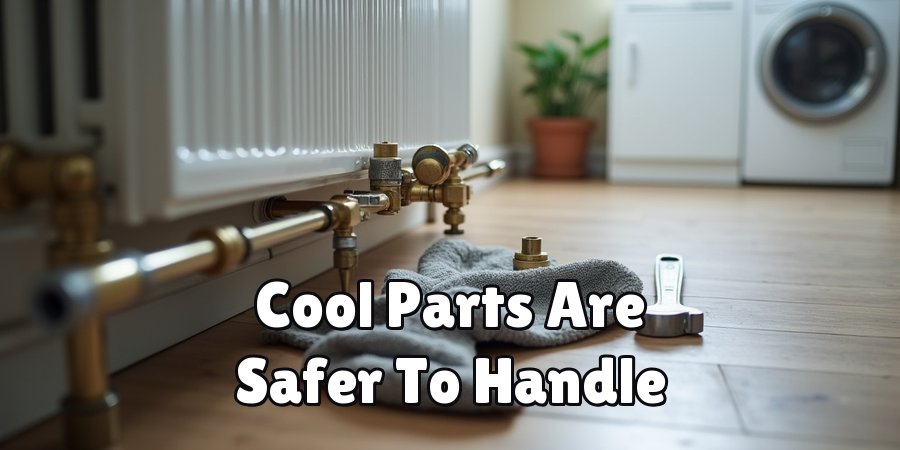
If the heating’s been running, wait for the radiator to cool before you go near the valve. Hot metal burns, and cool parts are simply safer to handle. Been on recently? Give it at least half an hour.
Step 4: Expose the Spindle
Look at the top of the valve, right where the knob used to sit. You should spot a small metal pin or a square stem. That’s the spindle, and it’s what governs the water flow. If bits of broken plastic are still hanging on, ease them off gently so the spindle sits fully exposed.
Step 5: Grip the Spindle Firmly
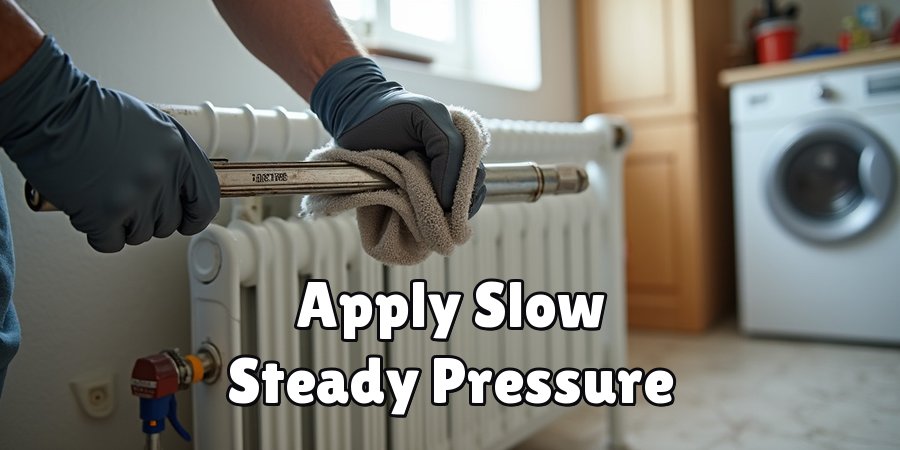
Wrap the cloth around the spindle to protect it, then take hold with your pliers or adjustable wrench. Get a secure grip, but go easy—you want a firm hold, not enough pressure to crush the metal. There’s a sweet spot here, and it’s worth finding before you start turning.
Step 6: Turn Clockwise to Close
Turn the spindle clockwise to cut off the hot water. Slow and steady wins this one. You’ll feel the resistance build as the valve seats itself shut. When it stops turning easily, the radiator is off. Don’t force it any further past that point—that’s how things break.
Step 7: Check That It’s Off
Give it 15 to 20 minutes, then lay a hand on the radiator. Cooling down? You’ve done it. Still warm to the touch? Go back and make sure the spindle is fully closed, then repeat Step 6 if you need to.
Work through these steps on how to turn radiator off with no knob in order, and you’ll shut off the radiator safely even with the knob long gone.
What to Do If the Valve Is Stuck?
Stuck valves are common, particularly in older heating systems where mineral buildup or rust has quietly locked the spindle in place.
If it won’t budge, resist the urge to muscle through—forcing it may snap the spindle or wreck the seal.
Try wrapping the cloth tighter for a better hold first, then apply slow, steady pressure with your wrench.
Still no movement? A little penetrating oil or lubricant spray around the base of the spindle can work wonders. Give it 10 to 15 minutes to soak in before you try again, gently.
A light tap with the handle of a screwdriver sometimes frees a seized pin—emphasis on light. And if none of this shifts it after a few honest attempts, step back and call a professional.
A leak is a far bigger headache than a stubborn radiator.
Common Mistakes to Avoid
Too much force tops the list, every time.
When a spindle won’t turn, the natural reaction is to shove harder—but that’s exactly what snaps the pin or ruins the valve seal, and a five-minute fix becomes an expensive repair.
Turning the spindle the wrong way is another classic. Keep it simple in your head: clockwise closes, counter-clockwise opens.
Then there’s the cloth. Skip it, and bare pliers will scratch or crush the metal spindle in no time. Others rush past the cool-down step and end up with burned fingers for their trouble.
Slow down, get the grip right, and turn gently. Hurrying through this job is the surest way to swap a small problem for a bigger one.
Safety Precautions
You’re dealing with hot water and metal under pressure, so a handful of precautions earns their keep. Always let the radiator cool before you handle the valve, and keep a towel within reach for any drips. Smell gas or notice water leaking as you work? Stop right there and call a qualified heating engineer.
Gloves are worth pulling on if you’re wary of heat or sharp edges. Steer clear of heavy-handed force that might crack the valve body, since it’s holding back the pressure of your whole heating system.
When you’re genuinely unsure what you’re touching, pausing to get advice beats gambling on a burst pipe or a flooded floor.
Why Won’t My Radiator Turn Off?
If the radiator stays warm even after you’ve closed the valve, a few culprits could be at play. The likeliest is a valve that hasn’t shut all the way, often because the spindle is worn or partly seized. A faulty TRV that no longer responds to its own settings is another suspect worth considering.
Sometimes the trouble sits with the wider heating system rather than the single radiator in front of you.
A stuck pump, trapped air, or a balancing issue can keep hot water circulating even when one valve is firmly shut.
So if you’ve closed things properly and the radiator still refuses to cool, the underlying fault probably needs a professional eye to pin down and put right.
When to Call a Professional?
Certain situations belong to a qualified heating engineer, plain and simple.
A leaking valve, a spindle that’s snapped off inside the valve body, a radiator that won’t cool no matter what you try—these are your signals to bring in an expert.
Pushing a repair beyond your skill level can lead to water damage, a fatter bill, or a system that quits altogether.
A professional carries the tools and the experience to swap out a broken valve, drain the system safely, and check for faults you might never spot.
If your home runs on a complex or older heating setup, or the task simply doesn’t sit right with you, calling someone in is the sensible call.
That peace of mind tends to pay for itself.
Frequently Asked Questions
Q1: Can I Turn Off a Radiator Using Just My Hands?
A1: Sometimes, yes. If the spindle is loose enough and hasn’t seized, you may manage to turn it by hand with a cloth for extra grip. More often than not, though, you’ll want pliers or an adjustable wrench to close the valve fully.
Q2: Will Turning Off One Radiator Affect the Others?
A2: No. Shutting off a single radiator won’t stop the rest of your heating from working. Each one has its own valve, so closing a single unit simply cuts the hot water to that radiator while the others carry on as usual.
Q3: Is It Safe to Leave a Radiator Turned Off Long-Term?
A3: Generally, yes—keeping a radiator off for long stretches is fine. That said, in very cold weather, leaving it completely off could raise the risk of frozen pipes in that part of the house. A low setting through winter is often the safer bet.
Conclusion
Turning off a radiator without a knob is well within reach once you understand what’s under your hands.
Identify the valve type, gather a few basic tools, work through the seven steps on how to turn radiator off with no knob with care, and you can cut the heat without that missing dial ever mattering.
Slow work, a protected spindle, and a refusal to force a stuck valve—those are the habits that keep the job clean.Run into a snag along the way—a seized spindle, a leak, a radiator that stubbornly stays warm—and there’s no shame in calling a heating professional.
Handling small jobs yourself saves both time and money, but recognizing your limits is what keeps your home dry and safe. With this guide beside you, that knobless radiator has met its match.

About
Ethan Wrenford is a dedicated home appliance specialist with years of hands-on experience in appliance troubleshooting, maintenance, repair, and DIY diagnostics. His professional focus lies in combining practical repair knowledge with simple, easy-to-follow solutions, helping homeowners understand common appliance problems and confidently identify potential causes at home. As an author at ApplianceWhy, Ethan shares practical knowledge on home appliance repair, DIY appliance diagnostics, maintenance, troubleshooting, appliance care, and everyday solutions for common household appliance issues.
Education
Portland Community College (Portland, USA)
Associate Degree in Appliance Technology & Residential Systems
- Focused on residential appliance systems, electrical fundamentals, mechanical components, and appliance troubleshooting.
- Developed practical skills in appliance diagnostics, component testing, electrical safety, and repair procedures.
- Gained hands-on experience working with refrigerators, washing machines, dryers, dishwashers, ovens, ranges, and other household appliances.
Oregon Institute of Technology (Klamath Falls, USA)
Bachelor’s in Applied Electronics & Technology
- Specialized in electrical systems, electronic controls, sensors, motors, and residential equipment.
- Studied diagnostic techniques for identifying electrical, mechanical, and component-related appliance problems.
- Completed practical projects involving appliance control systems, troubleshooting methods, preventive maintenance, and repair fundamentals.
Publications and Impact
Through ApplianceWhy, Ethan shares practical insights into home appliance repair, DIY diagnostics, maintenance, troubleshooting, and appliance care. His writing focuses on turning confusing appliance problems into simple, understandable steps that homeowners can follow safely.
Ethan covers everything from diagnosing a refrigerator that is not cooling and a washing machine that will not drain to troubleshooting dryers, dishwashers, ovens, microwaves, and other common household appliances. His content helps readers understand appliance symptoms, identify possible causes, perform basic diagnostic checks, and determine when professional repair may be necessary.
Through his work, Ethan aims to bridge the gap between professional appliance repair knowledge and everyday homeowners—making appliance troubleshooting more approachable, practical, and accessible to everyone who wants to diagnose smarter, maintain better, and keep their appliances running longer.