

Your dishwasher spends its life scrubbing plates clean. But nobody thinks to ask the obvious question: who cleans the thing doing the cleaning?
Grease, stray food bits, soap scum, mineral deposits—they all settle into the tub over time.
Ignore that buildup long enough, and your dishes start coming out looking cloudy while your kitchen picks up a faint, stale smell.Here’s the reassuring part.
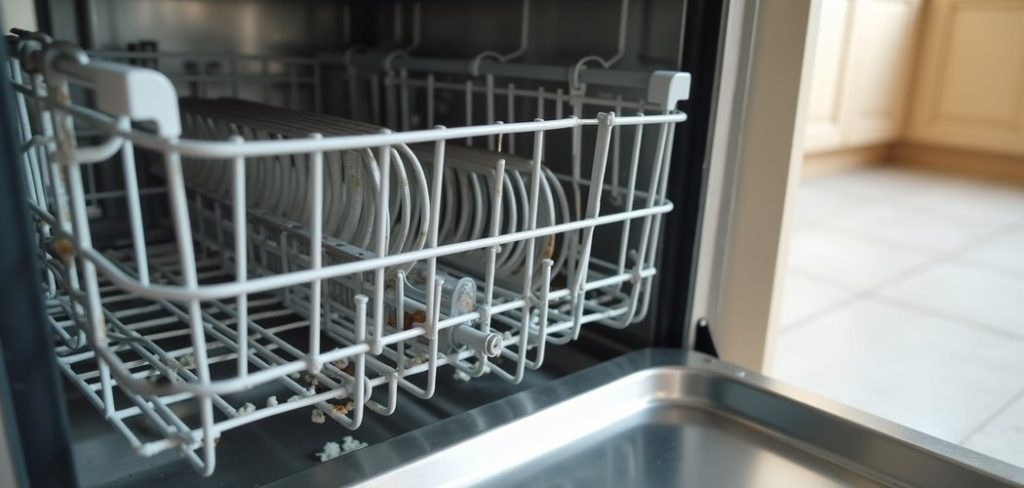
Cleaning a dishwasher tub takes far less effort than most people assume.
Grab a handful of things you probably already own, set aside half an hour, and you can bring the appliance back to something close to peak performance.
What follows covers the whole process—how to catch the early warning signs, then seven steps on how to clean dishwasher tub that leave the tub fresh and ready for the next load.
Why Does a Dishwasher Tub Get Dirty?
There’s something almost absurd about it. An appliance built to clean somehow gets filthy on the inside. Yet every cycle pushes food scraps, grease, and detergent through the tub, and not all of it drains away.
Some clings to the walls. Some settles into the filter and the spray arms. If you live somewhere with hard water, the situation gets worse, because those minerals leave a chalky film across the interior surfaces.
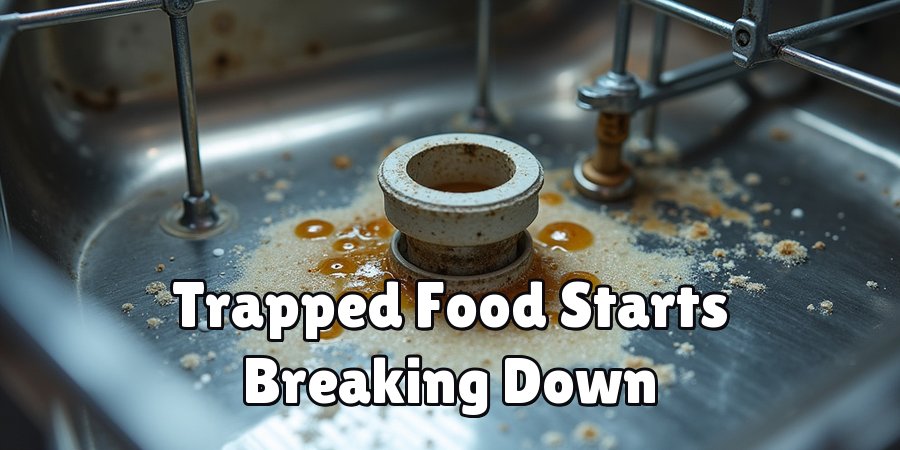
Weeks pass. Months, sometimes. That thin residue thickens into a stubborn layer, and trapped food starts to break down—which explains the musty odor that greets you when you open the door.
The warm, damp interior turns into a comfortable home for bacteria and mold. Meanwhile, a clogged filter forces the machine to strain harder while actually cleaning less. Not an ideal trade.
Signs Your Dishwasher Tub Needs Cleaning
Wondering whether it’s time for a proper clean? A few signals tend to give it away:
- Odors that hit you the moment the door swings open
- Spots or a filmy haze on dishes that should look spotless
- Visible gunk gathering around the filter, door seal, or base of the tub
- Water pooling at the bottom instead of draining fully
- Sluggish drainage, or odd noises partway through a cycleNotice even one of these? The tub has probably been asking for attention for a while.
What You’ll Need
Cleaning Solution:
Whether it’s store-bought or homemade, the right cleaning solution will make all the difference.
Microfiber Cloths or Sponges:
These gentle yet effective tools are perfect for scrubbing and wiping down surfaces without scratching them.
An Old Toothbrush:
Perfect for getting into tight spots and crevices.
White Vinegar:
A great natural cleaner that can cut through grease and grime.
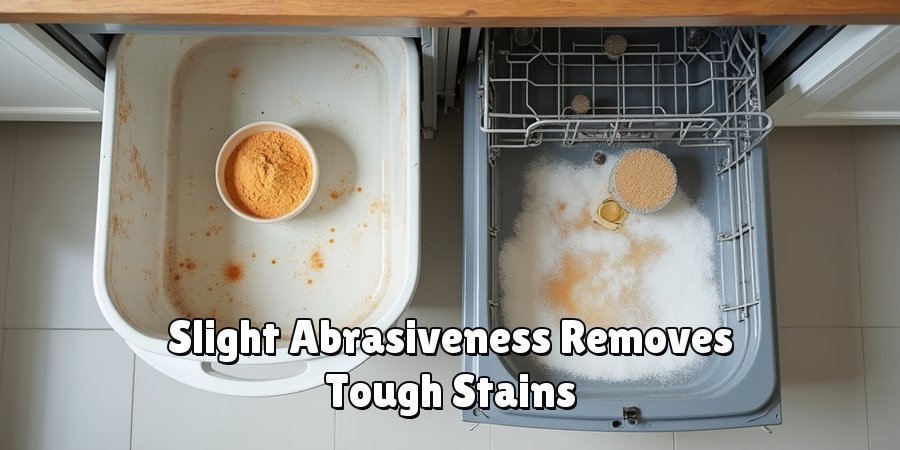
Baking Soda:
Another natural cleaner that has a slight abrasiveness to help remove tough stains.
Lemon Juice:
Its acidity can help with cutting through grease and adding a fresh scent to your clean dishwasher.
Safety Precautions Before Cleaning
Handle the safety side first. Switch off the power to the dishwasher at the wall or the breaker before you begin—particularly important once your hands are inside near the interior components. That single step keeps the machine from starting up unexpectedly.Never mix vinegar with bleach or other cleaning products.
The fumes that combination produces can be genuinely dangerous. Pull on your rubber gloves, open a window or two so the space stays ventilated, and give your dishwasher’s manual a quick look for any cleaning instructions specific to your model. Manufacturers occasionally have their own rules, and it’s worth a thirty-second check.
7 Simple Steps on How to Clean Dishwasher Tub
Step 1: Empty the Dishwasher Completely
Clear out every dish, glass, and utensil. Lift out the racks and the utensil holder too, assuming they slide free without a fight. An empty machine hands you full access to the tub, filter, and spray arms, with nothing in the way.
Step 2: Remove and Clean the Filter
The filter lives at the bottom of the tub, quietly catching food particles cycle after cycle. Twist or lift it out—your manual will tell you which.
Rinse it under warm running water, then work an old toothbrush into the mesh to dislodge trapped debris.
If it’s especially caked, let it soak in warm, soapy water for a bit before setting it aside to dry.
Step 3: Wipe Down the Interior
Dampen your microfiber cloth in warm, soapy water and wipe across the tub’s walls, floor, and ceiling. The corners deserve extra attention, since grease tends to gather there. This clears out the loose grime so the deep-cleaning cycles later on can focus on what’s left.
Step 4: Clean the Door Seal and Edges
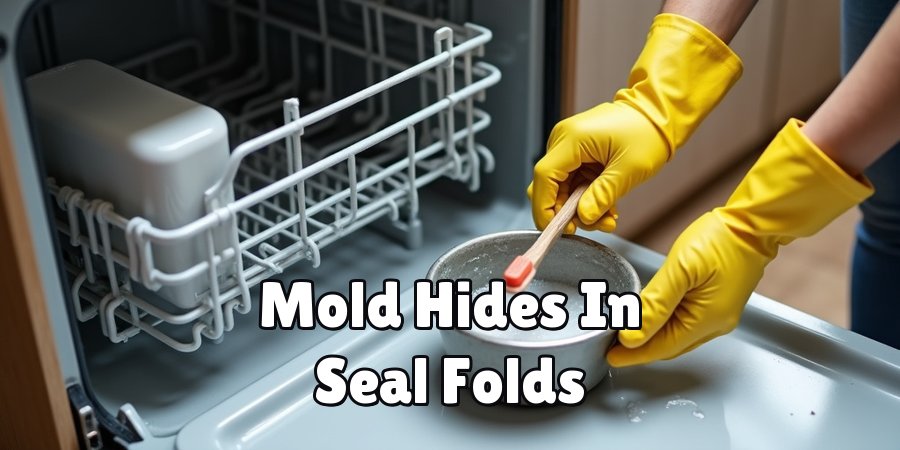
That rubber gasket ringing the door? It’s one of the grimiest spots in the whole machine—a favorite hiding place for mold and stray food. Take your toothbrush and a little soapy water to the folds and crevices. Don’t skip the door edges or the detergent dispenser either. Both get overlooked constantly.
Step 5: Run a Vinegar Cycle
Pour one cup of white vinegar into a dishwasher-safe bowl and stand it upright on the top rack. Run a hot water cycle with the machine otherwise empty. As the vinegar circulates, it breaks down grease, loosens mineral deposits, and takes the edge off any lingering odors.
Step 6: Sprinkle Baking Soda and Run a Short Cycle
When the vinegar cycle wraps up, scatter one cup of baking soda across the floor of the tub. Run a short, hot cycle. The baking soda handles what the vinegar left behind—deodorizing the interior and gently scrubbing out faint stains, so the tub finishes bright.
Step 7: Wipe Dry and Reassemble
Open the door and let the tub breathe for a few minutes. Blot away any leftover moisture with a clean microfiber cloth, which keeps water spots from forming. Slot the filter, racks, and utensil holder back into place, then restore power. That’s it—the dishwasher is clean and ready for its next load.
Everything set? Work through these seven steps on how to clean dishwasher tub for a tub that comes out fresh and spotless.
Common Dishwasher Tub Cleaning Mistakes
Good intentions can still lead you astray. The most frequent slip-up? Reaching for harsh abrasive cleaners or steel wool.
Those scratch the tub’s stainless steel or plastic, and the scratches create tiny grooves where grime settles faster than before—which rather defeats the point.
Another regular offender is neglecting the filter, arguably the single biggest source of bad smells and lackluster cleaning.
There’s also a tendency to go overboard with the vinegar and baking soda, on the logic that more must mean cleaner. It doesn’t. One cup of each does the job.
And that door seal keeps getting skipped, even though the rubber gasket quietly harbors mold and food debris. Move through each area at an unhurried pace and cover it properly—the results will show for it.
How Often Should You Clean a Dishwasher Tub?
A monthly deep clean suits most households, keeping the machine running smoothly and the interior smelling neutral. Run your dishwasher daily, or regularly load it with heavily soiled dishes? You might drop to every two weeks instead. Either way, consistent upkeep stops small buildup from turning into a genuine headache later on.
The filter is a slightly different story. It rewards more frequent attention. A weekly rinse takes maybe two minutes and stops food particles from clogging the system. That modest habit does a surprising amount to stretch the appliance’s lifespan and keep dishes coming out clean.
How to Keep a Dishwasher Tub Clean?
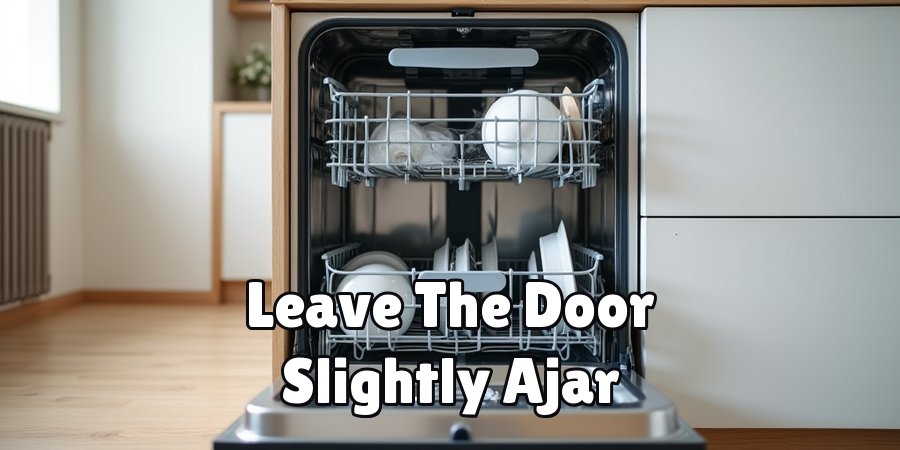
Prevention beats a deep clean nearly every time. Scrape food off your plates before loading, since large scraps are the main reason clogs and odors develop in the first place. After each cycle, leave the door slightly ajar so the interior can dry—mold and mildew struggle to take hold in a dry environment.
A monthly vinegar cycle stops grease and mineral deposits from ever settling in. A rinse aid helps too, cutting down on water spots and film. None of these habits demand much, yet together they keep the tub fresh between deep cleans, which means less scrubbing for you and more spotless dishes coming out the door.
Frequently Asked Questions
Can I Use Bleach to Clean My Dishwasher Tub?
It depends on what your tub is made of. Bleach works on plastic interiors, but you should never use it on stainless steel—it causes damage and discoloration that’s hard to reverse. For most models, vinegar and baking soda are the safer, gentler picks.
Why Does My Dishwasher Still Smell After Cleaning?
When odors hang around after a clean, the filter or a bit of trapped food in the drain is usually to blame.
Pull the filter and scrub it thoroughly, check the spray arms for clogs, then run another vinegar cycle.
If the smell persists beyond that, you may be looking at a drainage issue worth a closer investigation.
Is Vinegar Safe for All Dishwashers?
Vinegar suits most dishwashers and does a solid job on grease and mineral deposits. That said, some manufacturers caution against using it too often, since it can wear down rubber seals over time. Check your manual, and capping vinegar cycles at once a month should keep you on the safe side.
Conclusion
A clean dishwasher tub isn’t really about how the inside looks. It shapes how well the machine actually cleans your dishes.
Give it thirty minutes once a month, and you head off odors, sharpen performance, and add years to the appliance’s life.
The seven steps on how to clean dishwasher tub above take what sounds like a dreaded chore and turn it into something quick and genuinely manageable.Begin with the filter. Move through the vinegar and baking soda cycles.
Then lock in the small habits—scraping plates, cracking the door open to air out. Your dishes will come out cleaner, your kitchen will smell better, and the dishwasher will repay the effort with years of dependable service.

About
Ethan Wrenford is a dedicated home appliance specialist with years of hands-on experience in appliance troubleshooting, maintenance, repair, and DIY diagnostics. His professional focus lies in combining practical repair knowledge with simple, easy-to-follow solutions, helping homeowners understand common appliance problems and confidently identify potential causes at home. As an author at ApplianceWhy, Ethan shares practical knowledge on home appliance repair, DIY appliance diagnostics, maintenance, troubleshooting, appliance care, and everyday solutions for common household appliance issues.
Education
Portland Community College (Portland, USA)
Associate Degree in Appliance Technology & Residential Systems
- Focused on residential appliance systems, electrical fundamentals, mechanical components, and appliance troubleshooting.
- Developed practical skills in appliance diagnostics, component testing, electrical safety, and repair procedures.
- Gained hands-on experience working with refrigerators, washing machines, dryers, dishwashers, ovens, ranges, and other household appliances.
Oregon Institute of Technology (Klamath Falls, USA)
Bachelor’s in Applied Electronics & Technology
- Specialized in electrical systems, electronic controls, sensors, motors, and residential equipment.
- Studied diagnostic techniques for identifying electrical, mechanical, and component-related appliance problems.
- Completed practical projects involving appliance control systems, troubleshooting methods, preventive maintenance, and repair fundamentals.
Publications and Impact
Through ApplianceWhy, Ethan shares practical insights into home appliance repair, DIY diagnostics, maintenance, troubleshooting, and appliance care. His writing focuses on turning confusing appliance problems into simple, understandable steps that homeowners can follow safely.
Ethan covers everything from diagnosing a refrigerator that is not cooling and a washing machine that will not drain to troubleshooting dryers, dishwashers, ovens, microwaves, and other common household appliances. His content helps readers understand appliance symptoms, identify possible causes, perform basic diagnostic checks, and determine when professional repair may be necessary.
Through his work, Ethan aims to bridge the gap between professional appliance repair knowledge and everyday homeowners—making appliance troubleshooting more approachable, practical, and accessible to everyone who wants to diagnose smarter, maintain better, and keep their appliances running longer.